

Key Takeaways
- Memory care communities offer specialized support for Alzheimer’s and dementia that goes beyond what home care can typically provide.
- Recognizing the signs of caregiver burnout is just as important as monitoring your loved one’s needs.
- Respite care can serve as a helpful first step before committing to a full transition.
- Knowing what questions to ask during a tour helps you make a more informed decision.
- A calm, honest approach to the transition can make a meaningful difference for your loved one.
What Caregivers Need to Know About Memory Care
Watching someone you love struggle with memory loss is one of the hardest experiences a family can face. You want to do everything right, but it’s not always clear what “right” looks like, or when it’s time to ask for more support. The Reserve at Oswego understands that weight, and this guide is here to help you move forward with clarity.
Memory care communities are designed specifically to meet the cognitive, emotional, and physical needs of people living with Alzheimer’s or other forms of dementia, offering a level of structured, around-the-clock support that most home settings can’t replicate.
This guide walks you through what to look for, what questions to ask, and how to move forward when the time feels right. Explore the memory care community at The Reserve at Oswego to get a clearer picture of what thoughtful, personalized support looks like day to day.
What Memory Care Actually Involves
Memory care is a type of senior living designed around the unique challenges that come with cognitive change. It’s not simply a place to live. It’s a structured environment where daily routines, physical safety, and emotional well-being are actively supported every single day.
Staff in memory care communities are trained to respond to behavioral and emotional changes with patience and skill. They understand how to redirect, reassure, and engage residents in ways that feel calm and dignified.
The environment itself is typically designed to reduce confusion and support independence where possible, so your loved one can feel more settled in their day-to-day life. If you’d like a deeper look at how dementia affects daily life, the Alzheimer’s Association offers a helpful overview.
Signs It May Be Time to Consider Memory Care
When Home Care Becomes Harder
There’s often a gradual shift where home caregiving starts to feel less manageable. Safety concerns, like wandering, medication mishaps, or fall risks, can increase over time. When those moments start happening more frequently, it’s worth having an honest conversation about what level of support is actually needed.
Caregiver burnout is real, and it’s more common than many families expect. When the person providing care is exhausted, stressed, or stretched too thin, the quality of care for your loved one can quietly suffer. Recognizing that you’ve reached your limit isn’t a failure. It’s one of the most honest and caring things you can do. The Alzheimer’s Association’s caregiver stress resources can help you recognize the signs early.
How Respite Care Can Help First
If you’re not sure whether memory care is the right move yet, respite care can be a meaningful starting point. It’s short-term care designed to give family caregivers a chance to rest and recharge while your loved one receives attentive, professional support.
Respite care also gives both of you a chance to experience what a memory care community feels like before any long-term decisions are made. Many families find it helps them gain clarity and reassurance about the transition ahead. You can learn more about scheduling an in-person visit to the community.
What to Look for in a Memory Care Community
Environment and Daily Life
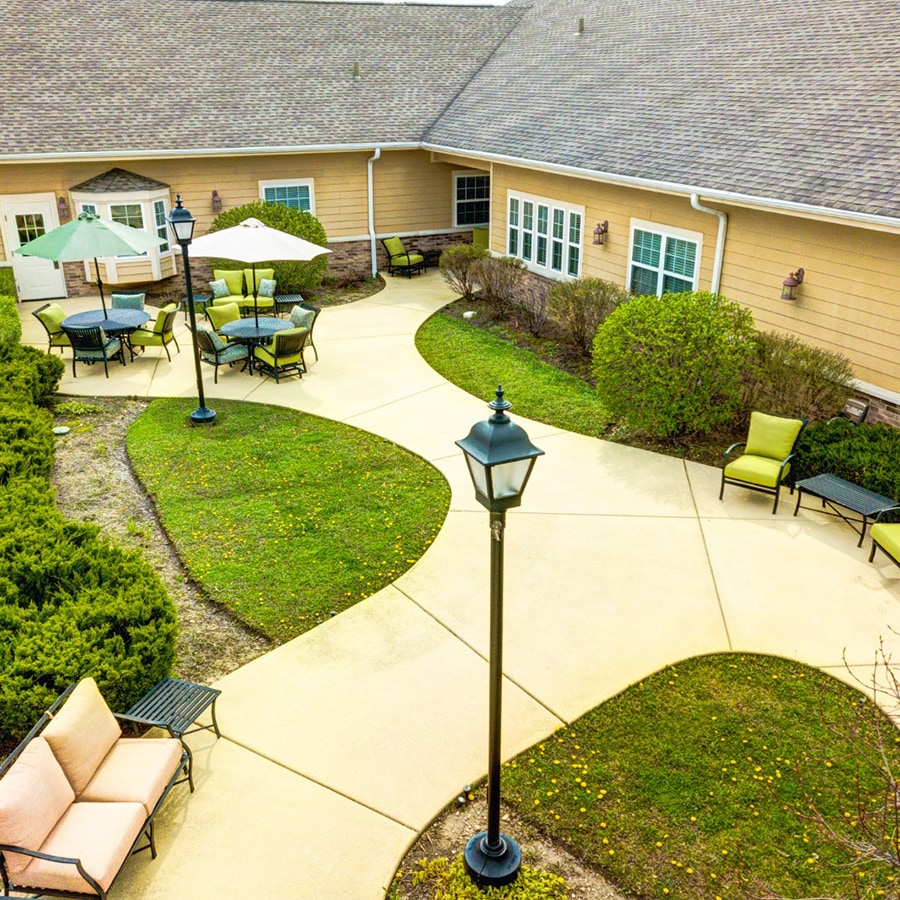
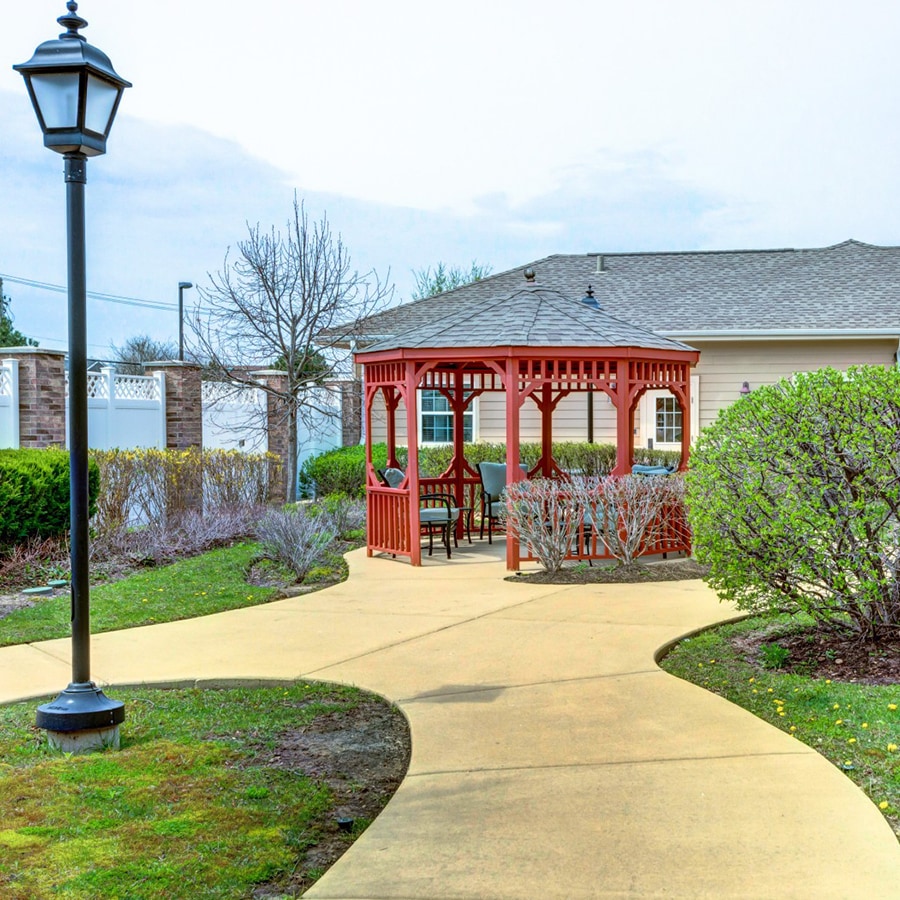
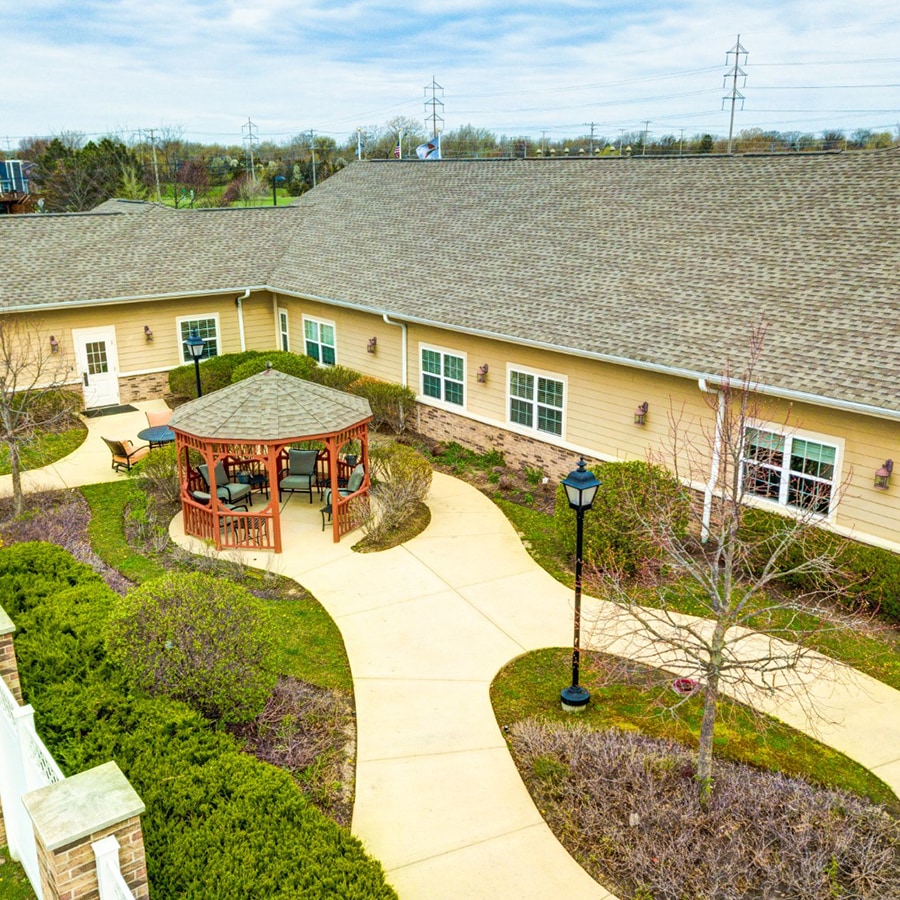
When you walk into a memory care community, pay attention to how it feels. Is it calm? Does it feel welcoming and comfortable? Safe, thoughtfully designed spaces can reduce anxiety and confusion for people living with dementia, and that matters more than you might think. Take a look at the memory care apartment layouts to get a sense of what a well-designed space looks like.
Look for purposeful daily activities that go beyond simple entertainment. Engagement programs that challenge the mind, encourage social connection, and build on familiar routines can have a real positive impact on a resident’s mood and overall well-being.
Nutrition and Wellness Programs
What your loved one eats and how they move every day play a meaningful role in their health. Look for communities that prioritize nutrition plans designed to support brain and body function, not just general meal service.
Wellness routines grounded in research, such as regular movement, social engagement, and restorative rest, can contribute to a higher quality of life. These aren’t extras. They are signs that a community genuinely cares about wellness and overall health, not just day-to-day care.

Questions to Ask When Touring a Senior Living Community
Touring a memory care community gives you a chance to see the environment firsthand and ask the questions that matter most. Come prepared with a few key things to explore:
- How does staff handle behavioral or emotional changes in residents?
- What does a typical day look like, from morning to evening?
- How does the community keep families involved and informed?
Trust your instincts as you walk through the space. Notice how staff interact with residents, whether the atmosphere feels relaxed, and whether your questions are answered honestly and with care. Reviewing communication tips for dementia beforehand can also help you feel more prepared during the visit.
Your Next Step Toward the Right Choice
Prepare Your Loved One for the Transition
Honest, calm conversations before the move can make a real difference. You don’t have to have all the answers. Simply being present, listening, and reassuring your loved one that they won’t be going through this alone can ease a lot of anxiety.
Bringing familiar items like photos, a favorite blanket, or a cherished mug can help the new space feel more like home from day one. Small comforts carry a lot of weight during a big change.
Take the First Step
The Reserve at Oswego invites you to schedule a tour and see memory care up close. You’ll get a real sense of the community, the team, and the daily life your loved one could experience. What you observe during that visit can help guide one of the most meaningful decisions you’ll make for your family. Reach out through the contact page if you have questions before you visit.