
Key Takeaways
- Memory care is a specialized form of senior living designed for people with Alzheimer’s or dementia.
- Daily behavior changes and safety concerns at home are common early signs it may be time to consider memory care.
- Caregiver burnout is a valid signal, and respite care can serve as a helpful short-term bridge.
- The right memory care community supports dignity, routine, and a real sense of self.
- Starting the conversation with compassion makes the transition easier for everyone.
Recognizing When It’s Time for Memory Care
Watching someone you love change because of memory loss is one of the hardest things a family can go through. You might notice small things at first, like forgotten names or a missed meal. Over time, those small things can start to add up in ways that feel harder to manage on your own.
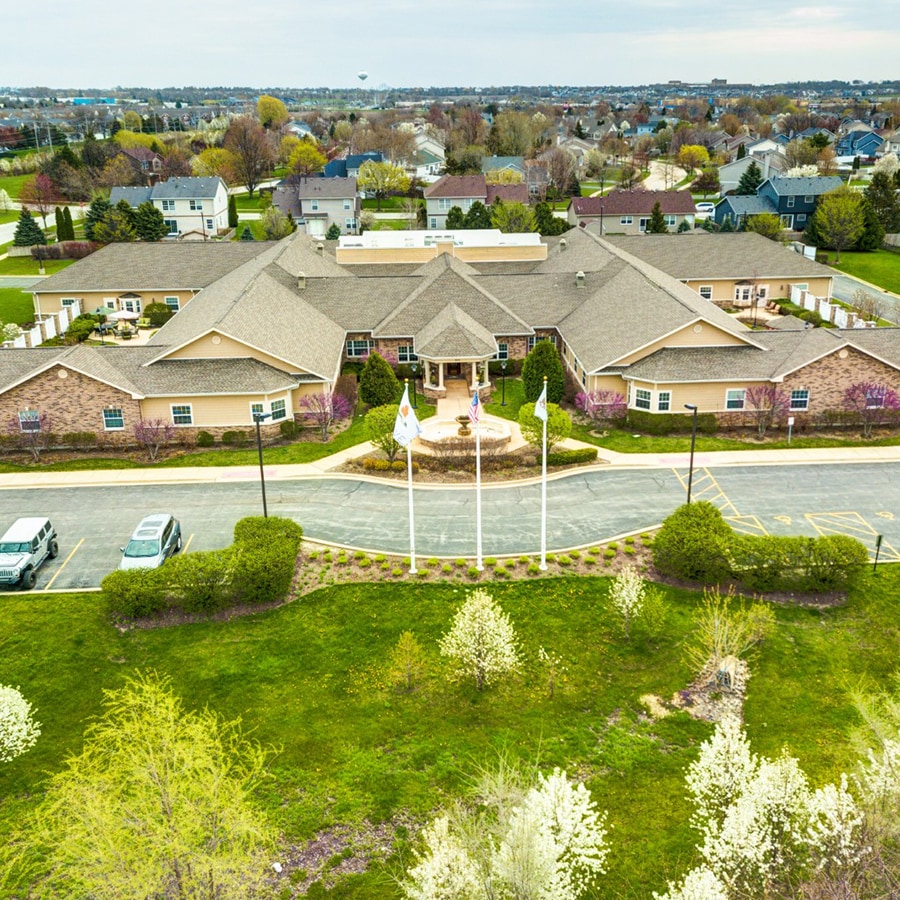
Memory care is a specialized form of senior living designed to support people living with Alzheimer’s or other forms of dementia in a safe, structured environment built around their needs. Knowing when to explore it doesn’t mean giving up. It means choosing a path that can support your loved one’s comfort, safety, and quality of life at a place like The Reserve at Oswego. Take a closer look at personalized care services and amenities to get a sense of what thoughtful, resident-centered support looks like.
What Memory Care Actually Is
Memory care is different from general assisted living or respite care. It’s a dedicated form of senior living where every detail, from the layout of the space to the way staff communicate, is shaped around the needs of someone living with cognitive decline.
These communities are designed to feel calm and navigable. Familiar routines, thoughtful spaces, and trained team members all work together to reduce confusion and support a sense of stability. It’s not just a place to live. It’s a place where your loved one can feel safe and known.
Early Signs Your Loved One May Need Memory Care
Changes in Daily Behavior
Some of the first signs show up in everyday routines. Your loved one might start forgetting to take medications, skipping meals, or struggling to follow a schedule they’ve kept for years. They may seem confused in familiar places, like their own neighborhood or kitchen. Learning to recognize early warning signs of Alzheimer’s and dementia can help you know what to watch for.
You might also notice them pulling away from hobbies or social activities they used to enjoy. That kind of withdrawal can be a signal that something more than forgetfulness is going on. These shifts deserve attention, not just reassurance.
Safety Concerns at Home
Safety is often what moves a family from “we’re watching it” to “we need to act.” Wandering is a serious concern, as someone with dementia can get disoriented and become lost just steps from home. Leaving stoves on, forgetting to lock doors, or having frequent unexplained falls are all signs that the current setup may no longer be keeping your loved one safe.
These aren’t failures on anyone’s part. They’re signs that the level of support your loved one needs has changed, and that a more structured environment could genuinely help.
How Caregiver Stress Fits Into the Decision
If you’re the one providing care, your experience matters in this conversation. Caregiver burnout is real, and feeling exhausted or overwhelmed doesn’t mean you haven’t done enough. It often means you’ve done more than one person can sustain.
Respite care can be a helpful short-term step, giving you time to rest while your loved one receives professional care in a supportive setting. Some families use this as a way to ease into a longer-term transition. Whatever path you’re considering, your loved one’s dignity should stay at the center of every decision.
What to Look for in a Memory Care Community
Environment and Staff
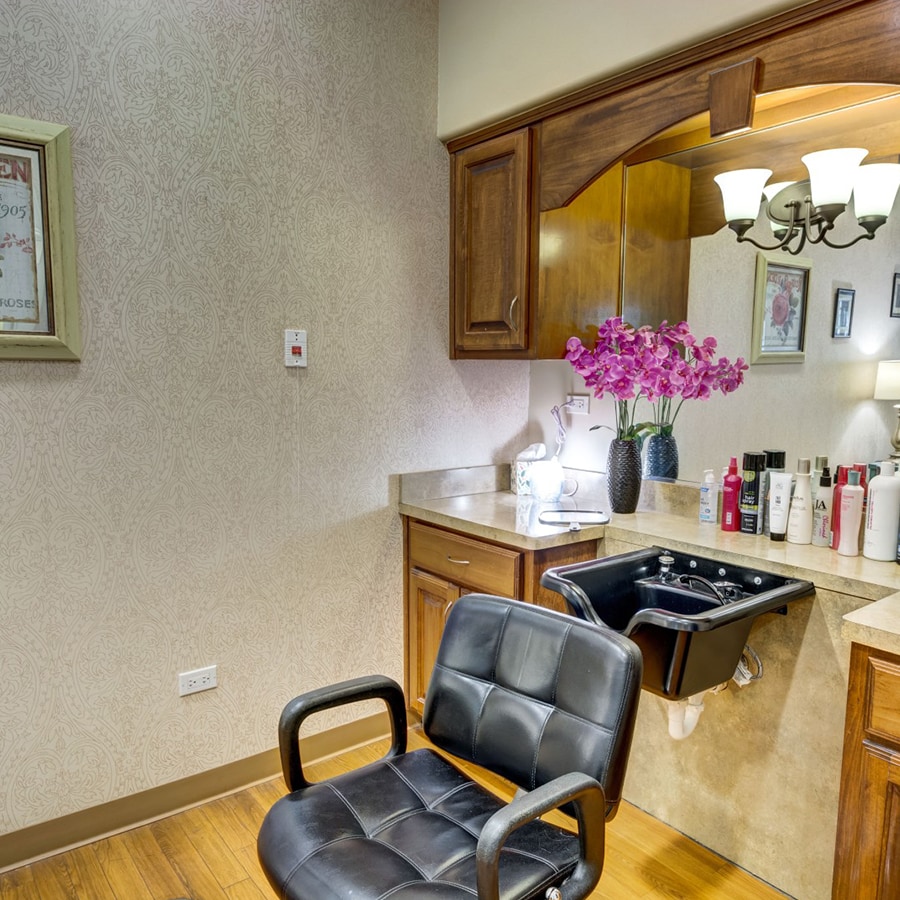
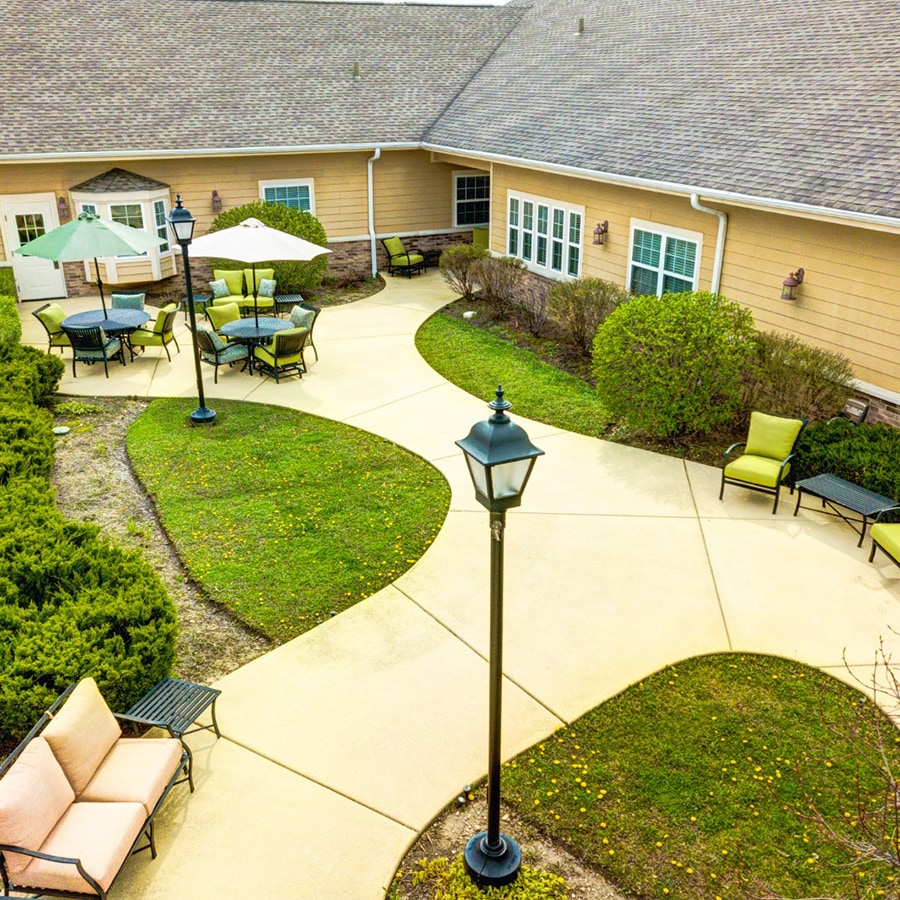
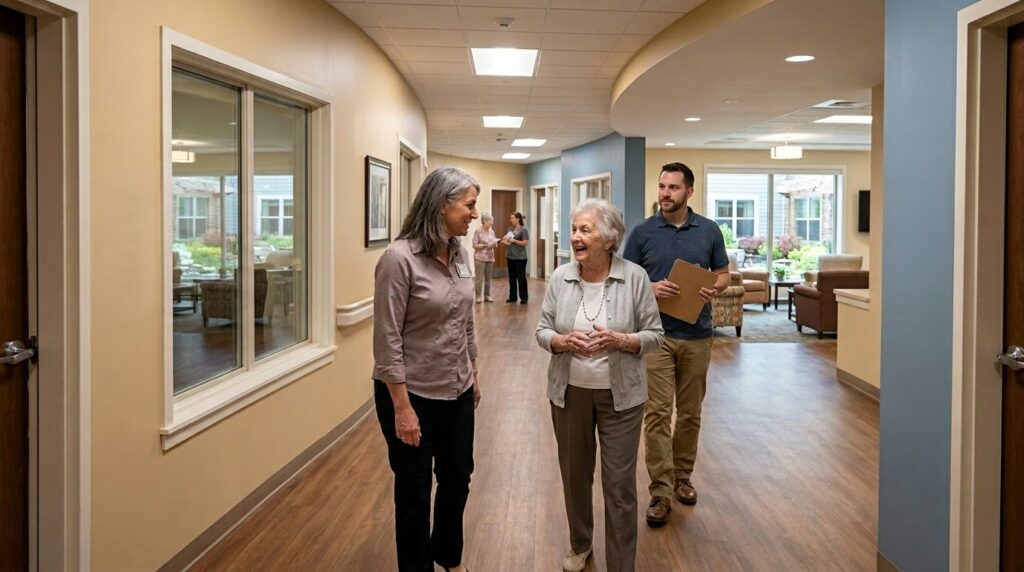
A good memory care community feels calm, not clinical. Look for spaces that are easy to move through, with design choices that reduce anxiety and support orientation. Staff should be trained specifically in dementia-focused care, not just general caregiving. Seeing the apartment layouts and community spaces firsthand can give you a real sense of how thoughtfully a community is designed.
Ask how the team handles a difficult moment, or how they talk to residents who are confused or upset. The way a team responds in those moments tells you a lot about the kind of care your loved one would receive every day.
Programs and Daily Life
Routine matters deeply for someone living with memory loss. Look for communities that offer structured daily schedules alongside activities designed to support memory, mood, and connection. Nutrition, movement, and social time shouldn’t be afterthoughts. They should be woven into each day with intention, much like the daily programs and events designed to strengthen the mind and nurture the spirit.
Engagement that preserves your loved one’s sense of self, their interests, their humor, and their history is a sign that a community sees them as a whole person, not just someone who needs supervision.
How to Start the Conversation with Your Loved One
Leading with love rather than logistics can make a real difference when you bring this up. Instead of focusing on what needs to change, start with what matters to them: their comfort, their safety, how they want to spend their days. Frame it as something you’re exploring together, not a decision being made for them.
Involve your loved one as much as possible. Their voice matters, even when the conversation is hard. At The Reserve at Oswego, the team is here to support your family through every step of this process. Schedule a tour and see firsthand how a memory care community can support the people you love most.