

Key Takeaways
- Wandering is a common, natural behavior in people living with Alzheimer’s or dementia.
- Memory care communities are designed to support safe, calm movement.
- Families play a meaningful role in supporting their loved one’s safety.
- Respite care can be a gentle first step toward exploring senior living options.
- There’s no rush. Every family moves forward at their own pace.
Wandering and What It Means for Your Loved One
If your loved one has started walking through the house late at night, slipping out the front door, or pacing with no clear destination, you’ve probably felt that mix of exhaustion and fear. It’s one of the most stressful parts of caring for someone with Alzheimer’s or dementia, and you’re far from alone in navigating it.
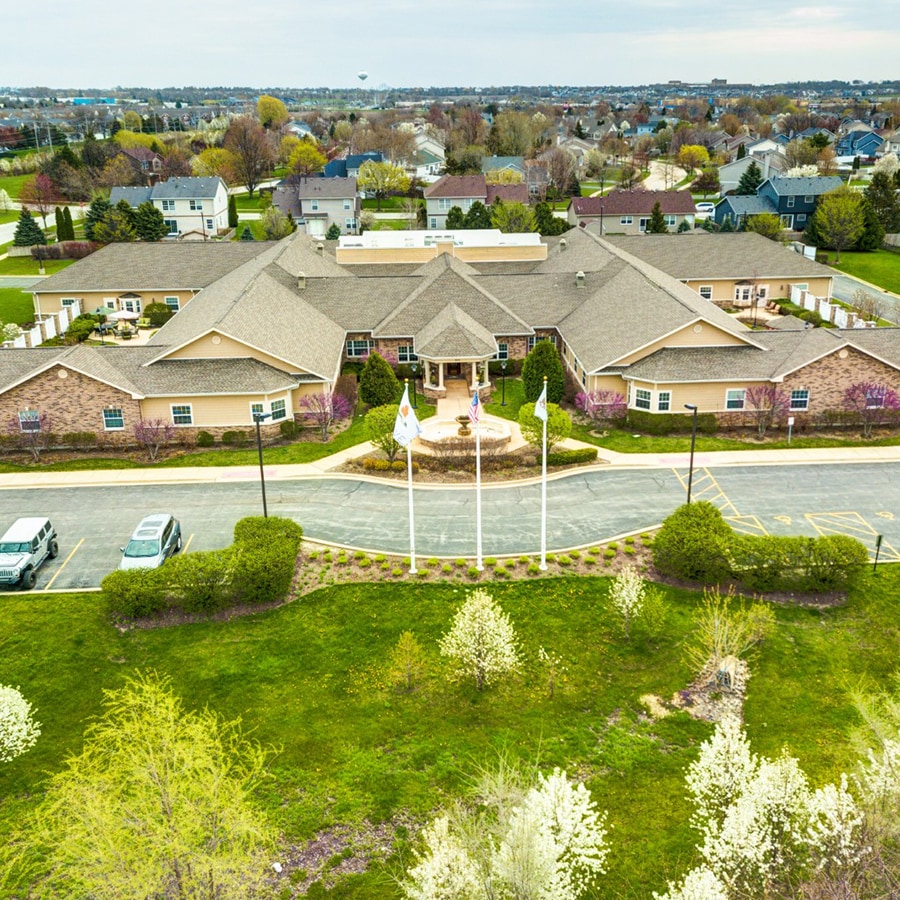
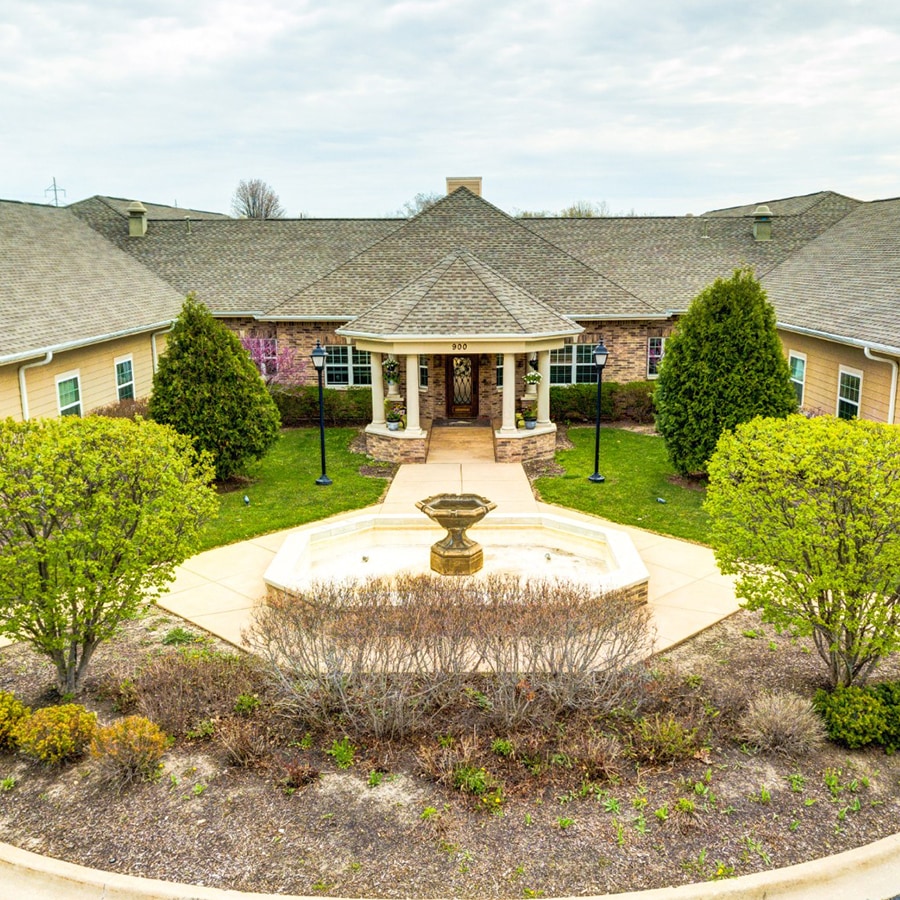
The Reserve at Oswego understands how much weight families carry during this time, and that’s exactly why memory care support is built around both residents and the people who love them. Wandering is one of the most common behaviors tied to memory loss, and understanding it can help you feel more prepared and less overwhelmed. It’s not defiance or confusion for confusion’s sake. It’s often your loved one responding to a feeling they can’t put into words.
The right environment and support can make a real difference in how safe and calm daily life feels for both of you. Learning more about how dementia progresses can also help you anticipate changes and plan ahead with more clarity.
What Wandering Looks Like in Memory Care
Wandering can show up in a lot of ways. Your loved one might walk in repeated loops, try to leave the home at unusual hours, or seem driven by a purpose that isn’t clear to you. Sometimes they’re looking for something familiar, like a home from decades ago or a job they used to have.
This behavior isn’t something that needs to be stopped so much as it needs to be redirected and supported safely. Recognizing the signs early, like increased restlessness, attempts to leave after dark, or agitation at certain times of day, gives you more time to plan ahead.
How a Memory Care Environment Addresses Wandering
Safe Design That Supports Freedom
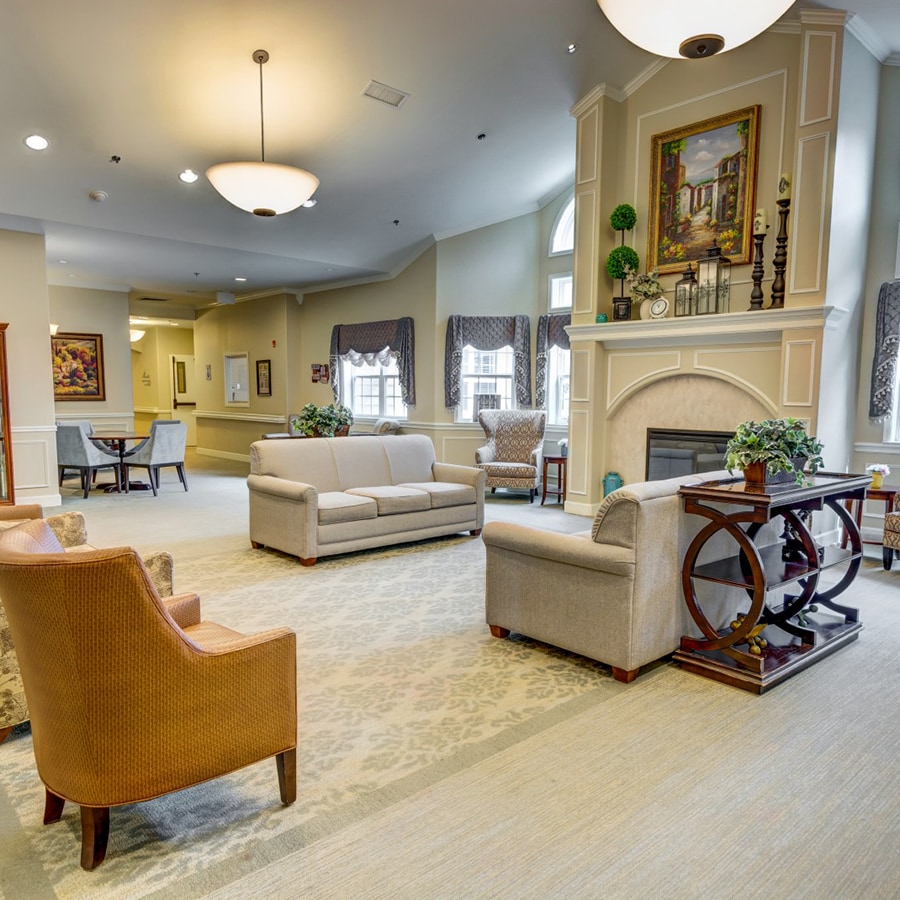
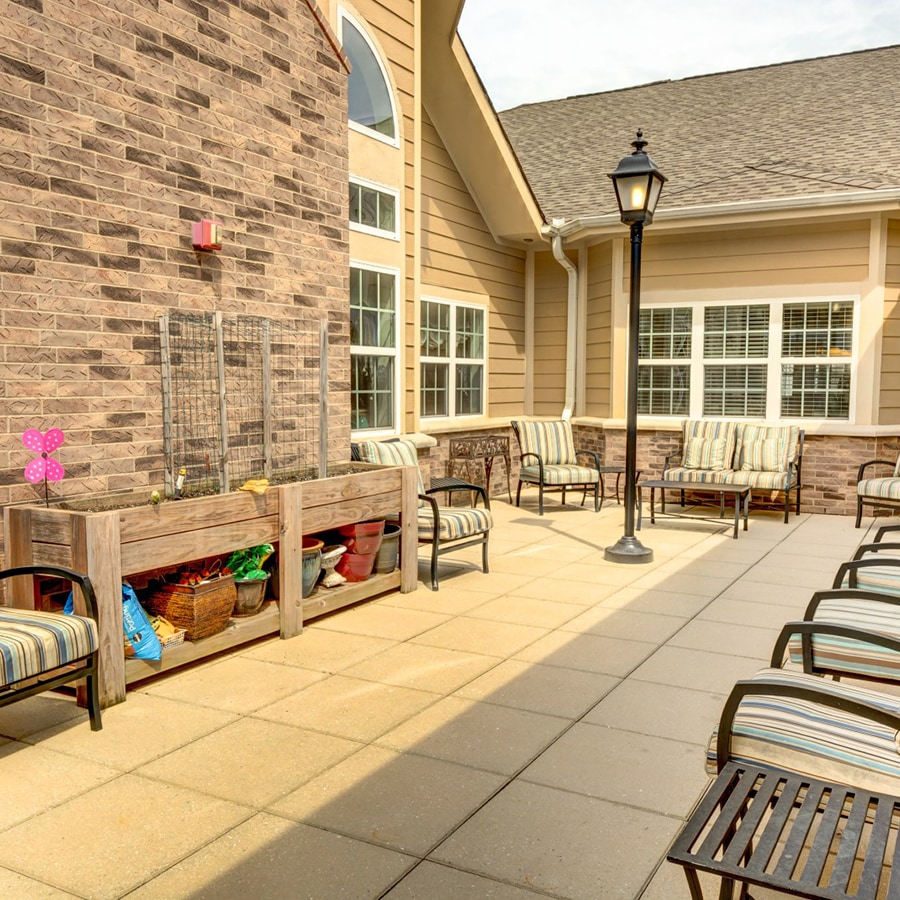
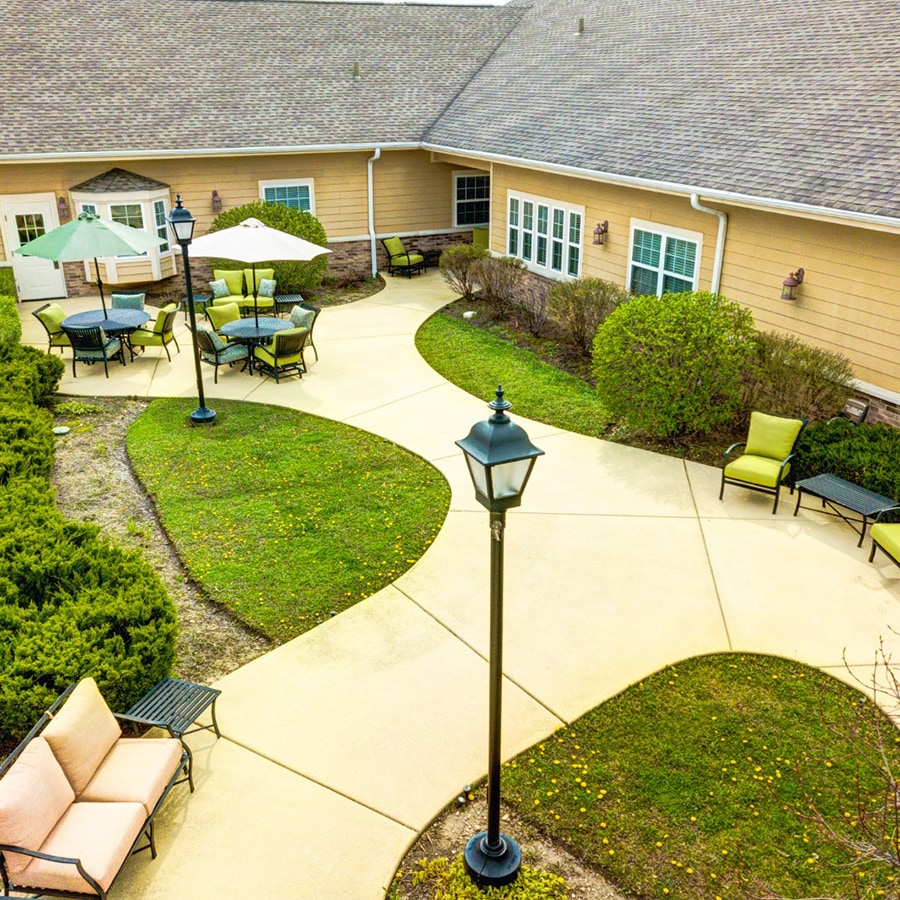
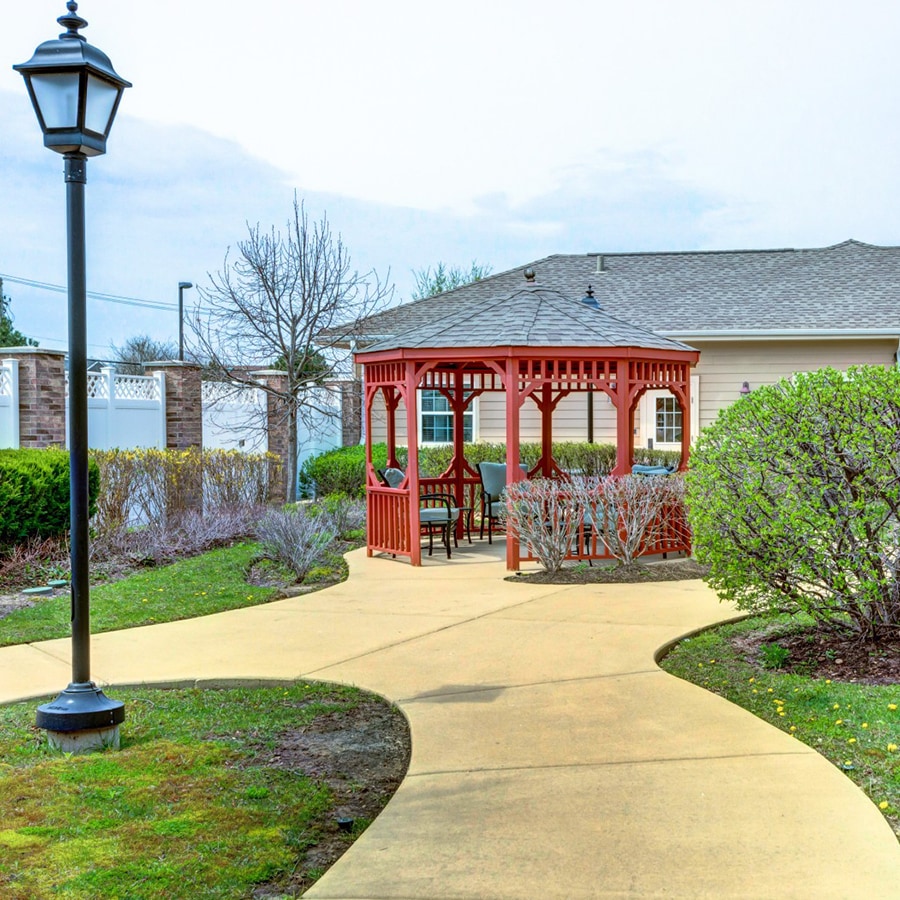
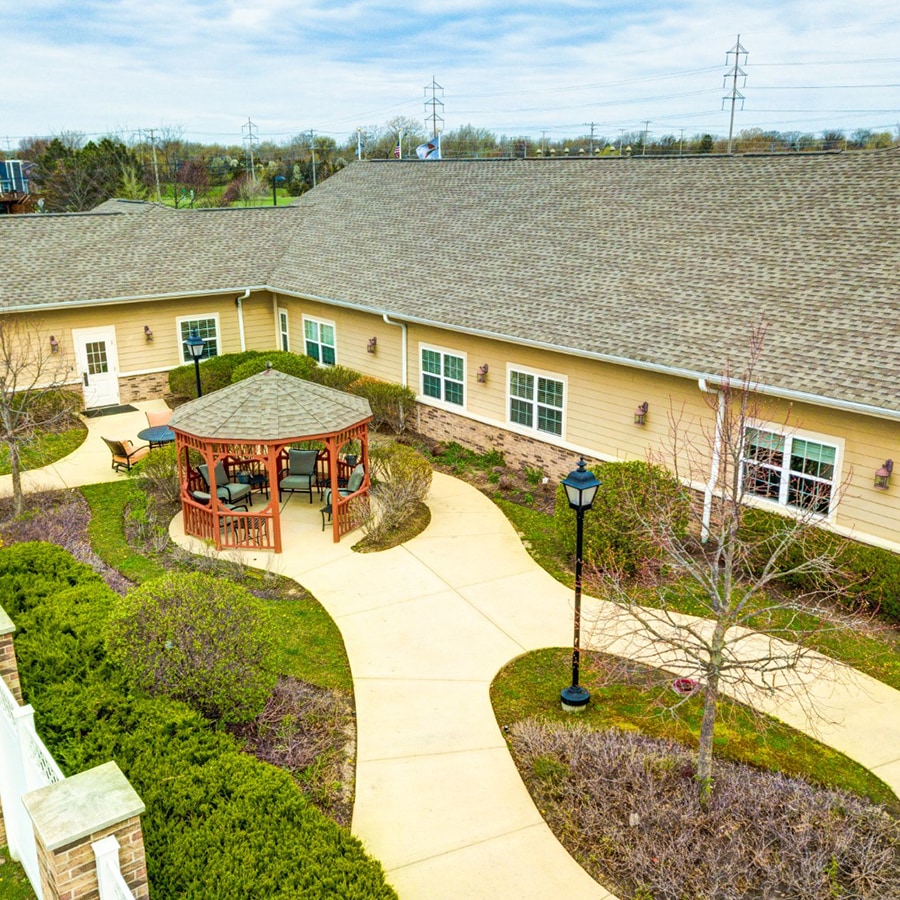
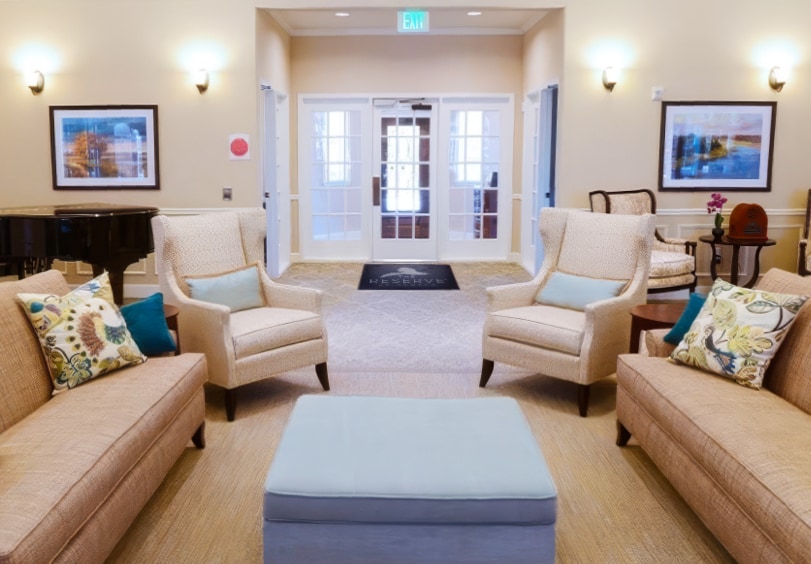
Memory care communities are laid out with wandering in mind. Secure, thoughtfully designed spaces allow residents to walk and move freely without the risk of getting lost or leaving in an unsafe way. Wide hallways, enclosed outdoor areas, and calm visual cues help reduce confusion and anxiety. Take a look at memory care apartment layouts to get a feel for how these spaces are built around comfort and safety.
Instead of restricting movement, the goal is to channel it into something comfortable and safe. Your loved one can walk when they feel the urge to, and that freedom can actually reduce agitation over time.
Staff Trained for Dementia-Specific Care
Consistent daily routines are one of the most effective tools in memory care. When your loved one knows what to expect, from meals to activities to rest time, restlessness tends to decrease. Trained staff build these rhythms intentionally to support each resident. Purposeful daily activities play a big part in keeping residents calm, engaged, and grounded throughout the day.
When wandering does happen, staff use gentle redirection rather than confrontation. A kind word, a familiar activity, or a short walk together can shift the moment without causing distress. This kind of calm, practiced response comes from real, dementia-specific training.
What Families Can Do to Support Safety
Your involvement matters more than you might realize. Sharing your loved one’s personal history with the care team, their routines, their favorite music, and the places they’ve loved helps staff connect with them in meaningful ways. That kind of context shapes how care is delivered every single day. It also helps to be mindful of how you communicate with someone living with dementia, since the right words can go a long way in keeping moments calm.
It also helps to pay attention to what tends to trigger wandering episodes. Is it late afternoons? Feeling hungry? Too much noise? Sharing those patterns with the team gives everyone a clearer picture to work from. Regular visits and open communication keep you in the loop and let your loved one feel your presence and love.
When Respite Care or Senior Living Becomes the Right Step
Respite Care as a Starting Point
Respite care offers short-term stays in a memory care community, providing your loved one with a safe, supportive environment while you get some time to rest and recharge. It’s also a low-pressure way to see what memory care actually looks and feels like up close. Many families find that a respite stay helps them move forward with a longer transition more comfortably because they’ve already seen how their loved one settles in and responds to the environment.
Signs It May Be Time for a Longer Transition
If wandering incidents at home are becoming more frequent or harder to manage safely, that’s worth taking seriously. The same goes for caregiver stress that’s starting to affect your sleep, your health, or your relationships. Recognizing the signs of caregiver stress early can help you make decisions from a place of clarity rather than exhaustion.
Choosing senior living or memory care isn’t giving up. It’s choosing a level of support that keeps your loved one safer and gives your whole family room to breathe again.
A Supportive Next Step for You and Your Family
There’s no deadline on this decision. Families move forward when it feels right for them, and The Reserve at Oswego is here to answer questions whenever you’re ready. Touring the memory care community can replace a lot of uncertainty with real, grounded clarity. You get to see the spaces, meet the team, and ask everything that’s been on your mind.
You don’t have to have it all figured out before you reach out. A conversation is a good place to start, and it keeps the next step completely in your hands. Reach out to the team whenever you’re ready.