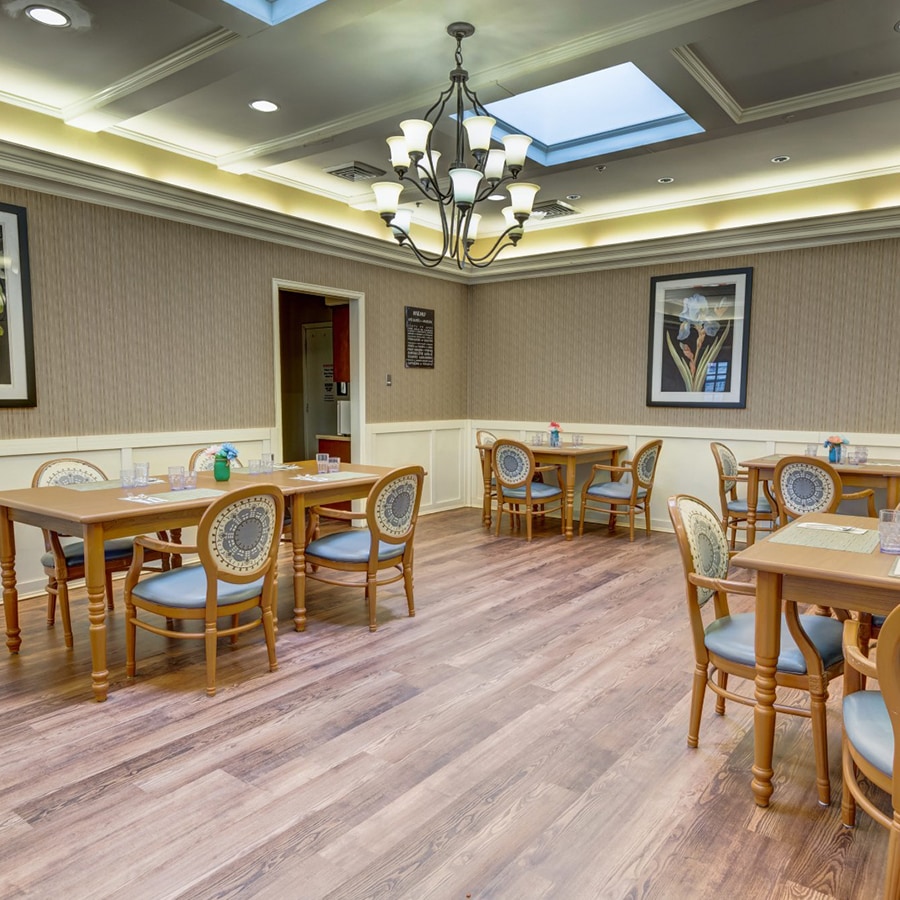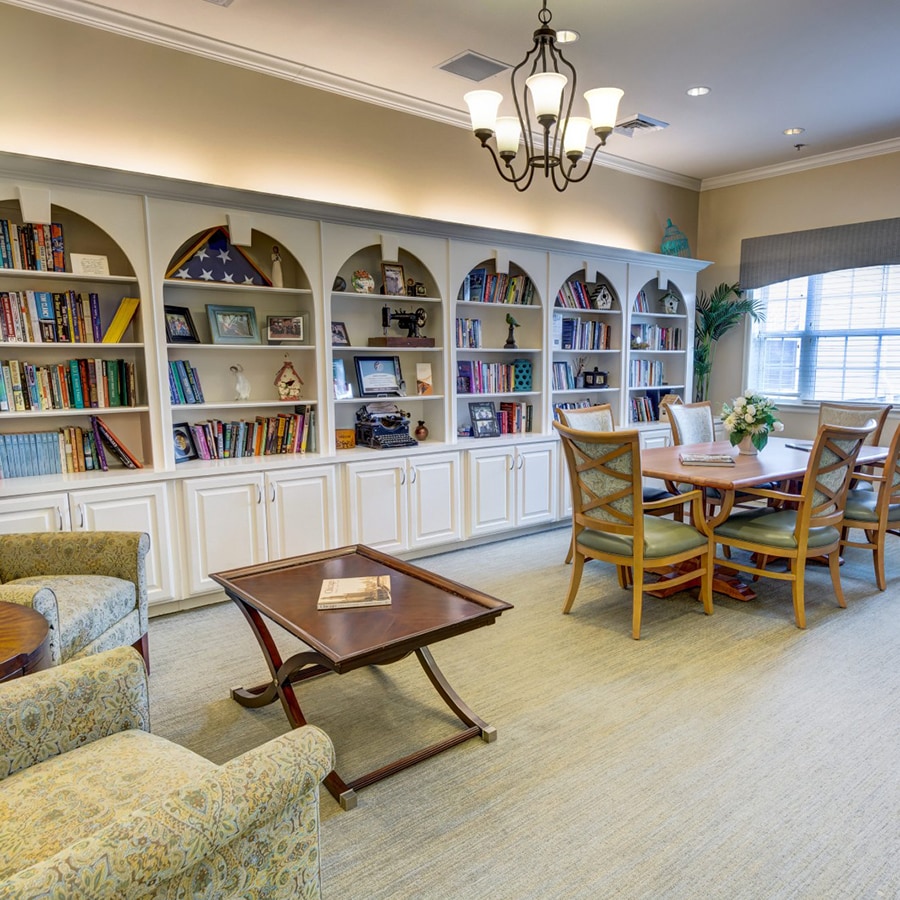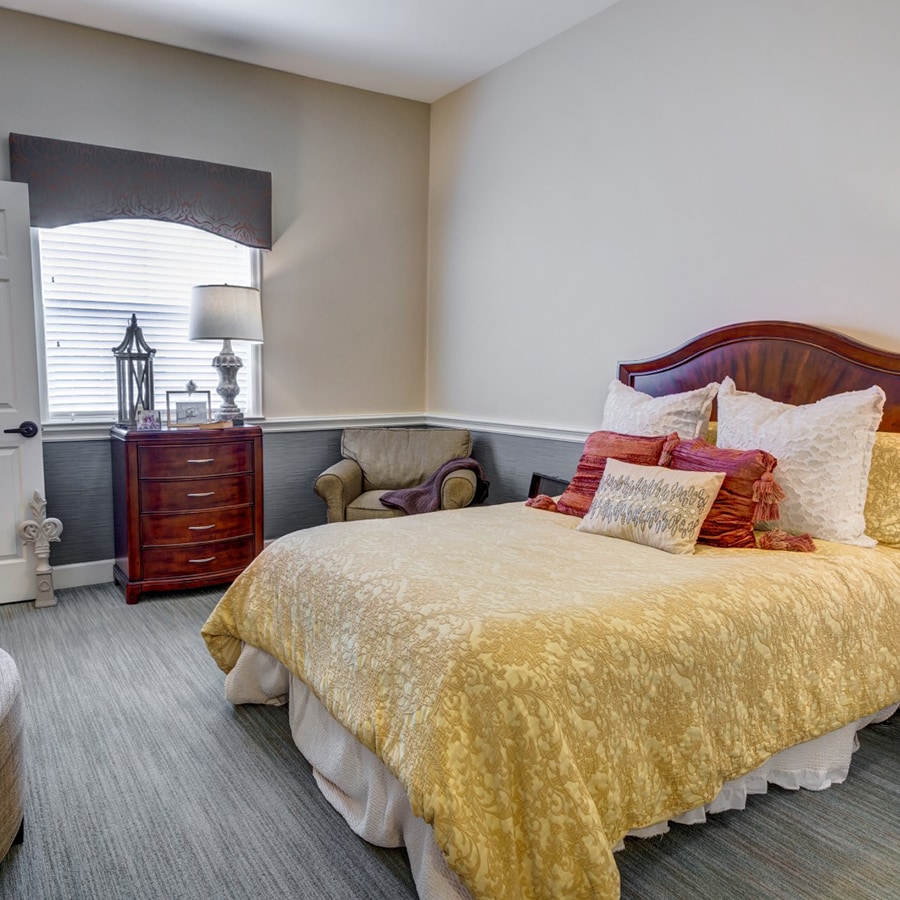

When your loved one moves into memory care at The Reserve at Oswego, you want them to feel engaged, purposeful, and connected to others around them. You might wonder how daily activities can truly make a difference in their comfort and well-being as they navigate the challenges of memory loss.
Meaningful activities in memory care can help maintain cognitive function, reduce anxiety, and improve quality of life by providing structure, social connection, and gentle stimulation tailored to each person’s abilities and interests.
Key Takeaways
- Activities that stimulate cognition, socialization, and mobility help maintain function and reduce confusion.
- Personalized programs based on individual interests and abilities create more meaningful experiences.
- Social activities reduce isolation while physical movement supports overall health.
- Sensory activities provide comfort and connection to familiar memories.
- Quality memory care communities adapt activities to each person’s needs and good times of day.
How Activities Support Memory and Well-being
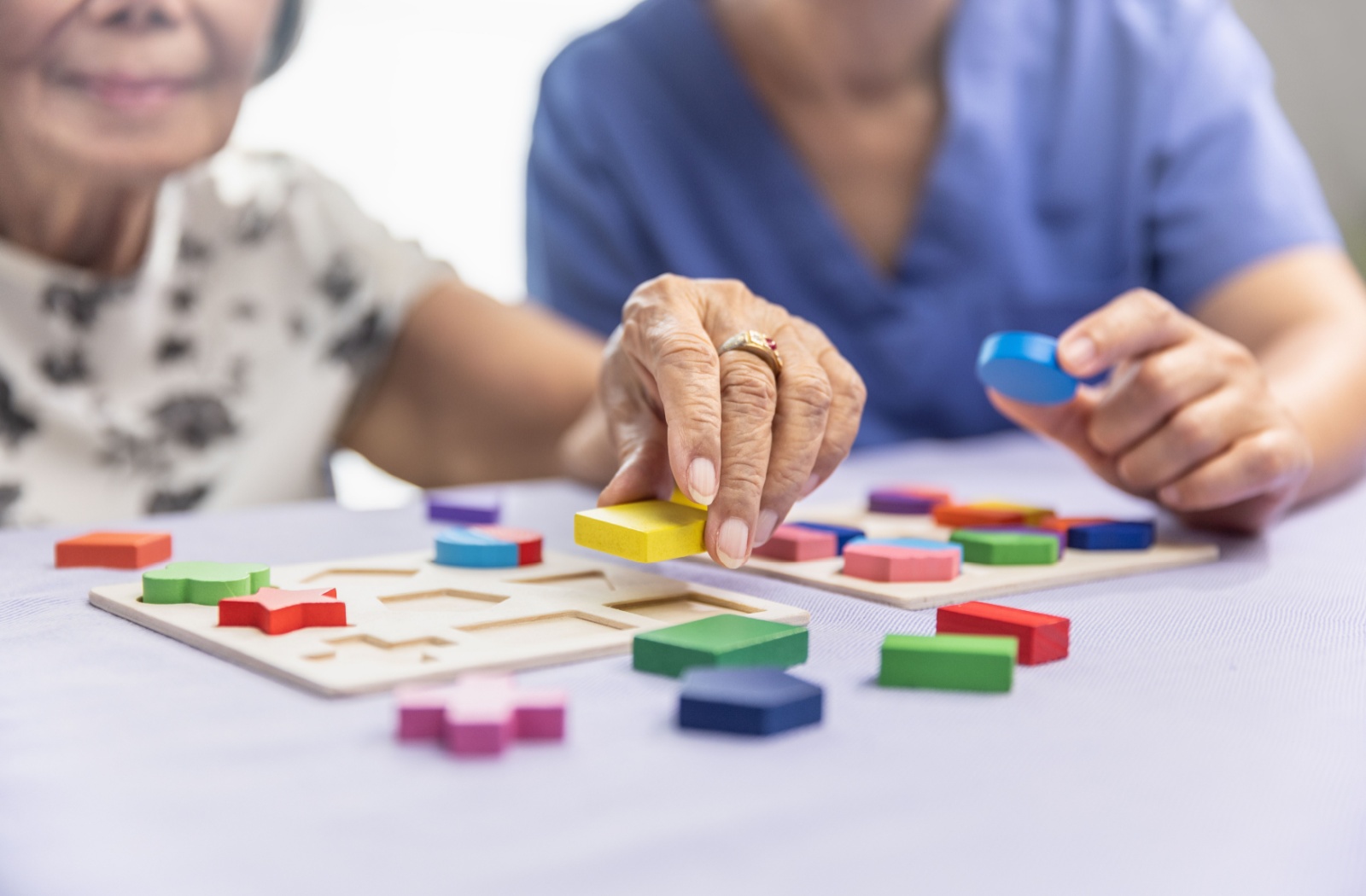
You’ll find that structured activities provide more than just entertainment for your loved one. They create familiar routines that reduce confusion and anxiety throughout the day. When activities engage the mind through gentle challenges like simple puzzles or familiar games, they help maintain existing cognitive abilities.
Social engagement becomes even more important when someone has memory challenges. Group activities give your loved one opportunities to connect with others, reducing feelings of isolation. Physical movement, even gentle chair exercises, supports circulation, muscle strength, and overall health.
The routine itself brings comfort. When your loved one knows that music time happens after lunch or that art activities start at 2 PM, it creates predictable anchors in their day that feel safe and familiar.
Cognitive Stimulation Activities That Make a Difference
Memory-Friendly Games and Puzzles
Simple card games like matching pairs or Go Fish work well because they use familiar concepts without overwhelming complexity. Large-piece puzzles featuring scenes from the 1940s, 1950s, or 1960s often spark recognition and conversation about past experiences.
Word games can be adapted to different cognitive levels. Some residents enjoy crossword puzzles with larger print, while others might prefer naming items that start with certain letters. The key is matching the challenge to each person’s current abilities.
Music and Art Activities
Music from your loved one’s younger years often triggers positive memories and emotions. You might notice them singing along to songs they haven’t heard in decades, remembering every word. This happens because musical memories often remain intact longer than other types of memories.
Art activities like watercolor painting or adult coloring books provide gentle creative expression. Music therapy programs can improve quality of life by enhancing physical health, creativity, and social interaction. The focus isn’t on creating artwork but on the calming, engaging process of choosing colors and making marks on paper.
Social Activities That Foster Connection
Group Activities for Interaction
Story-sharing circles give residents chances to talk about their past experiences, careers, or families. Even when details become fuzzy, the emotional connections and social interaction remain valuable. Group cooking activities like making cookies or simple sandwiches engage multiple senses and create opportunities for conversation.
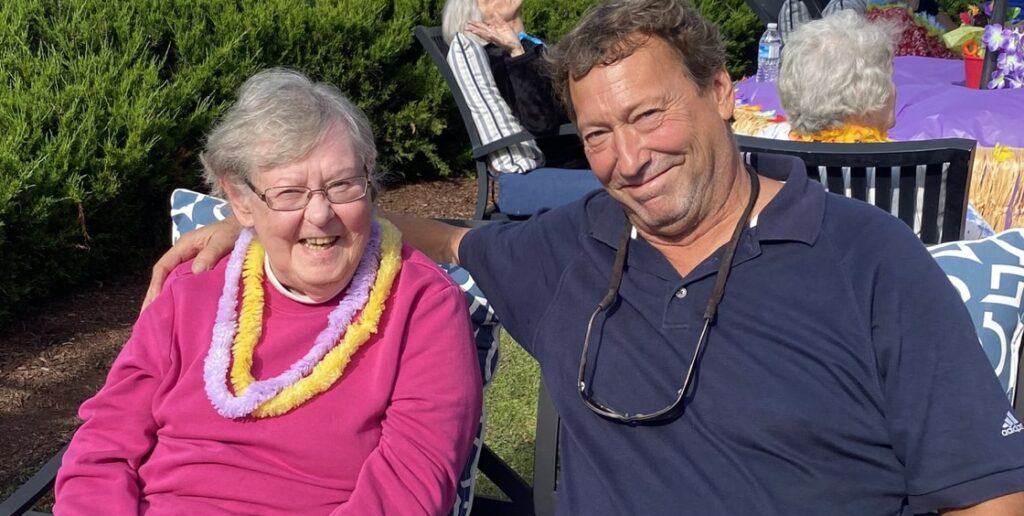
Pet therapy visits often bring immediate smiles and engagement. Many residents light up when a gentle dog or cat visits, triggering memories of their own pets and providing comfort through touch and interaction. Social interactions contribute significantly to happiness and well-being.
Intergenerational Programs
Visits from local school children create special moments of connection. Children often approach residents with natural ease, asking questions and sharing stories without the awkwardness adults sometimes feel around memory loss.
Reading programs where young volunteers read to residents combine the joy of stories with meaningful social interaction. Holiday celebrations with families create opportunities for multiple generations to come together in a supportive environment.
Physical Activities for Movement and Health
Gentle Exercise Options
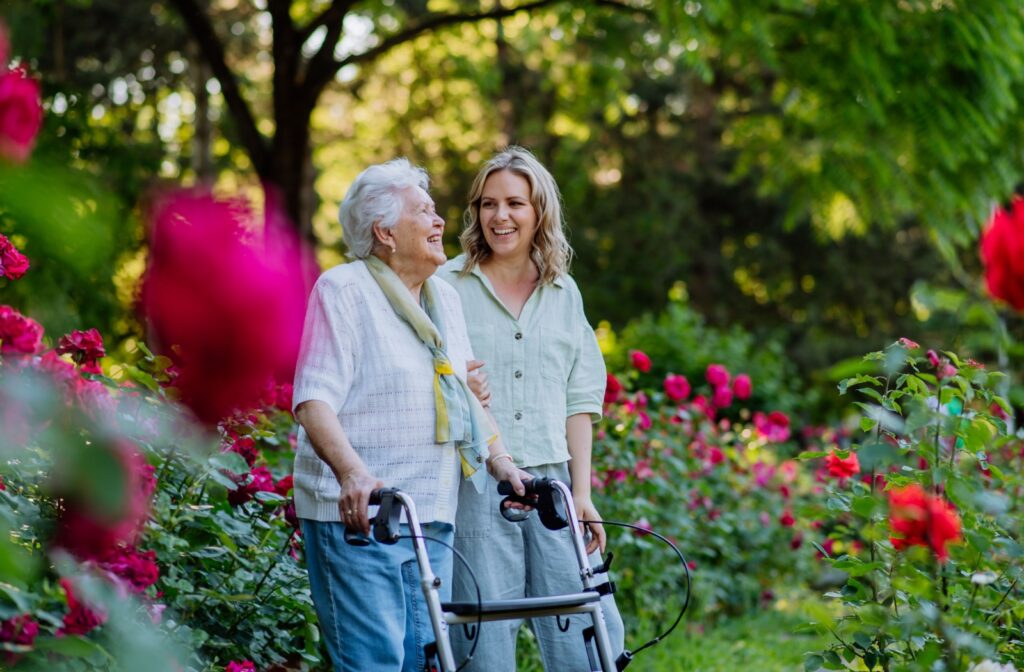
Chair exercises work well for residents with limited mobility. Simple arm movements, gentle stretching, and seated dancing to familiar music keep joints moving and blood flowing. Walking programs in secure areas provide exercise while reducing restlessness that sometimes increases in the afternoon or evening.
Balance activities help prevent falls while building confidence in movement. These might include standing exercises with support or gentle yoga poses adapted for seniors with memory challenges. Regular physical activity provides numerous health benefits for older adults.
Outdoor Activities When Possible
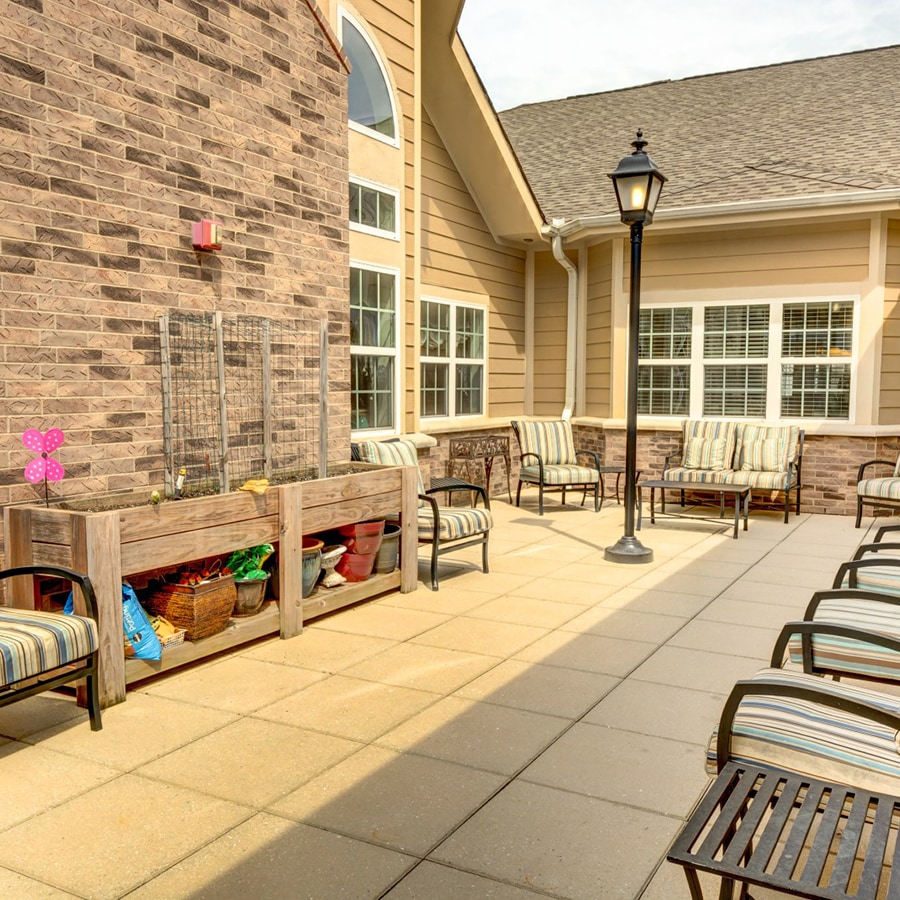
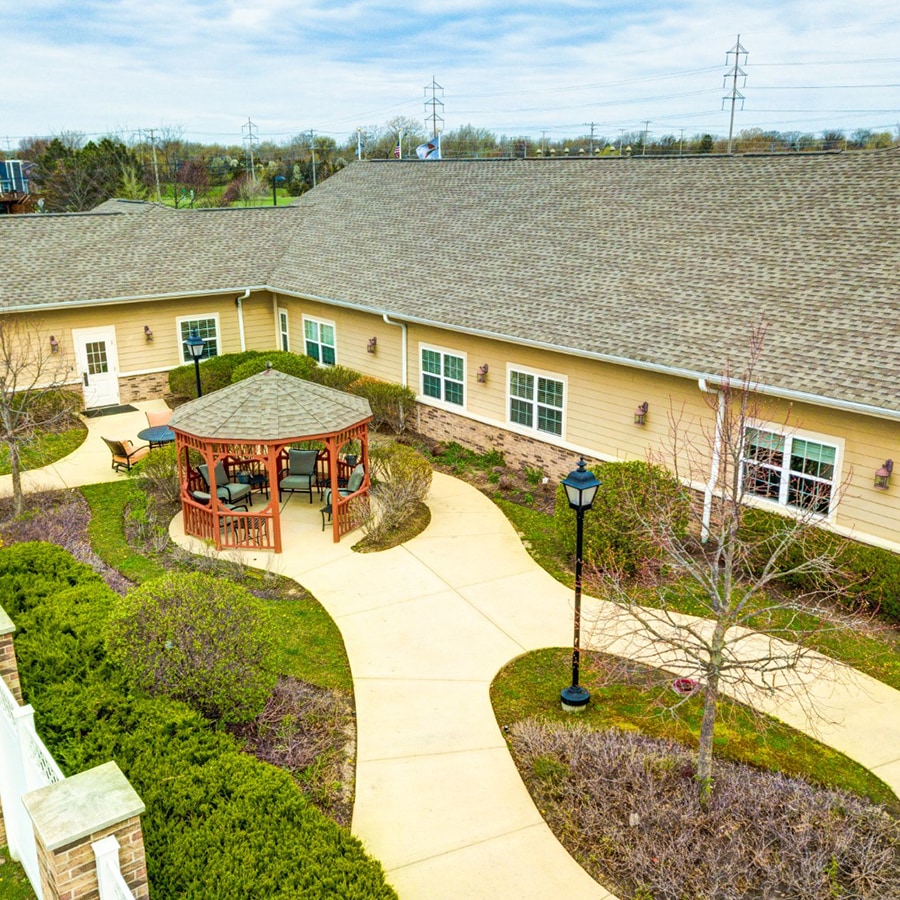
Gardening activities connect residents to nature and seasons while providing psychological and physical benefits. Raised beds or container gardens make it easy to plant seeds, water plants, or harvest vegetables. The sensory experience of touching soil and smelling herbs can be very grounding.
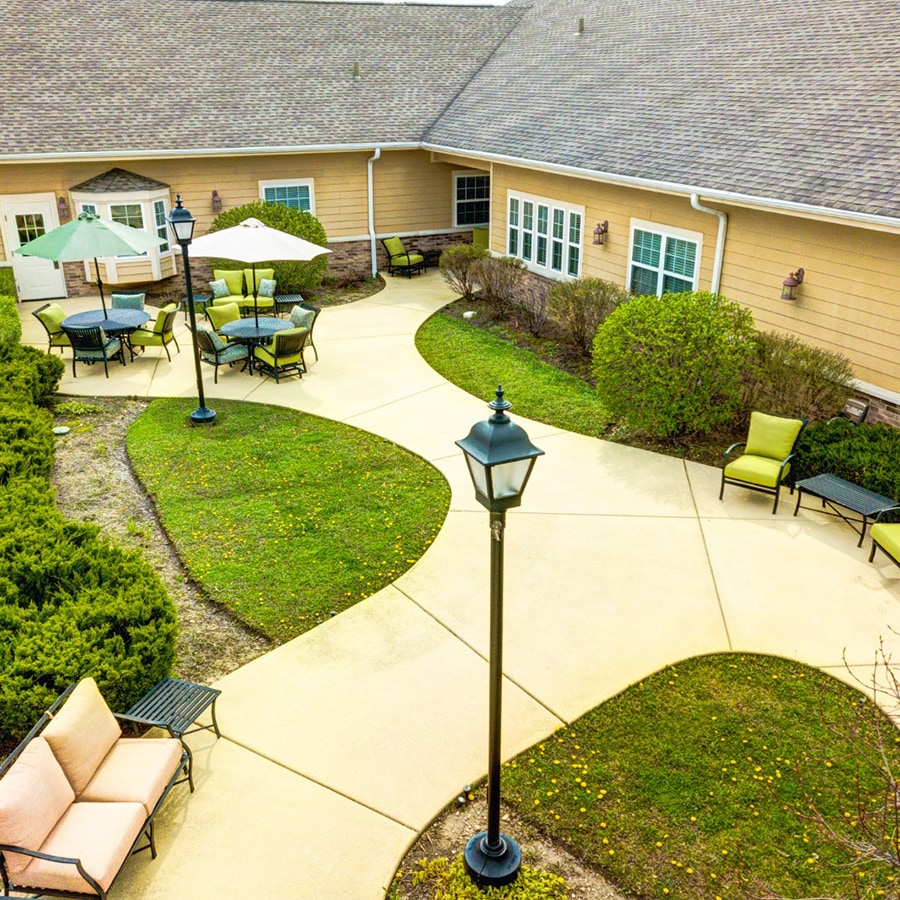
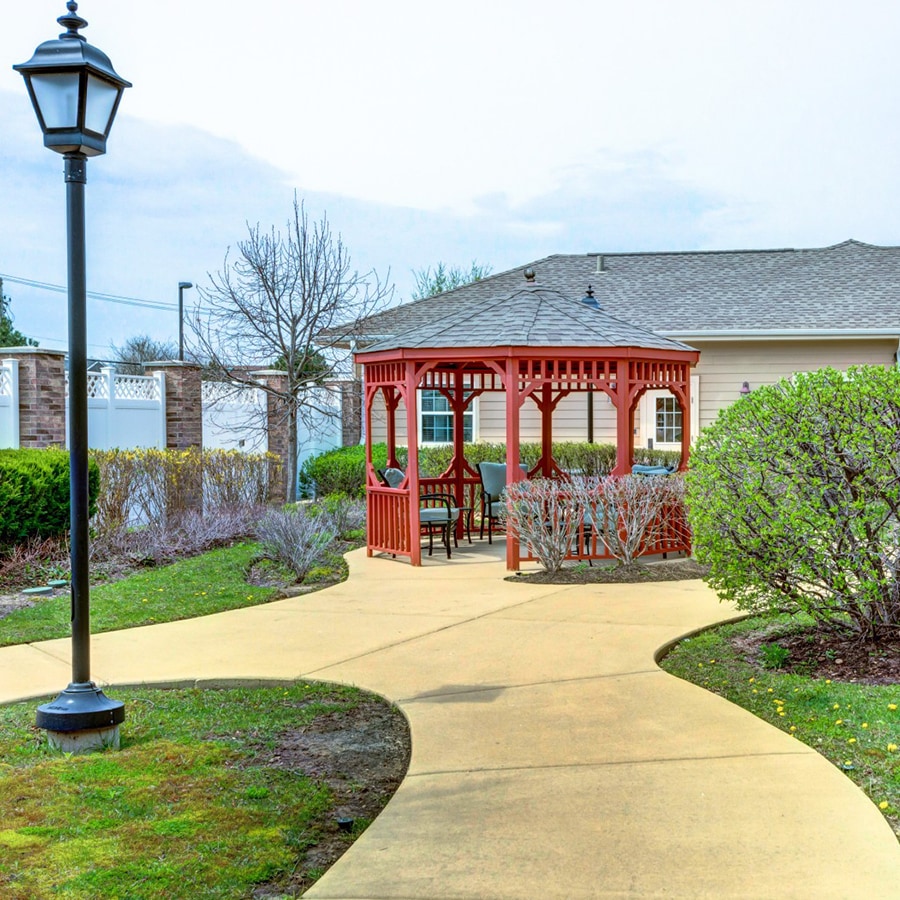
Short walks in secure outdoor spaces provide fresh air and gentle exercise. Outdoor social gatherings or music activities combine the benefits of nature with social connection.
At The Reserve at Oswego, the activity programs reflect a commitment to enriching each person’s daily experience through evidence-based wellness practices. When you’re ready to explore memory care options that prioritize meaningful engagement alongside compassionate care, consider scheduling a visit to see these programs in action.