
Key Takeaways
- Shared meals give you a daily reason to connect with the people around you.
- A steady mealtime schedule adds gentle rhythm to the day, which helps during a move.
- Eating with others can support appetite, mood, and a sense of belonging.
- Chef-prepared, protein-forward menus take shopping, cooking, and cleanup off your plate.
- Dining looks a little different in memory care and respite care, but everyone has a seat.
- A tour is the right time to watch how meals actually feel.
Why the Dining Room Becomes the Heart of a Community
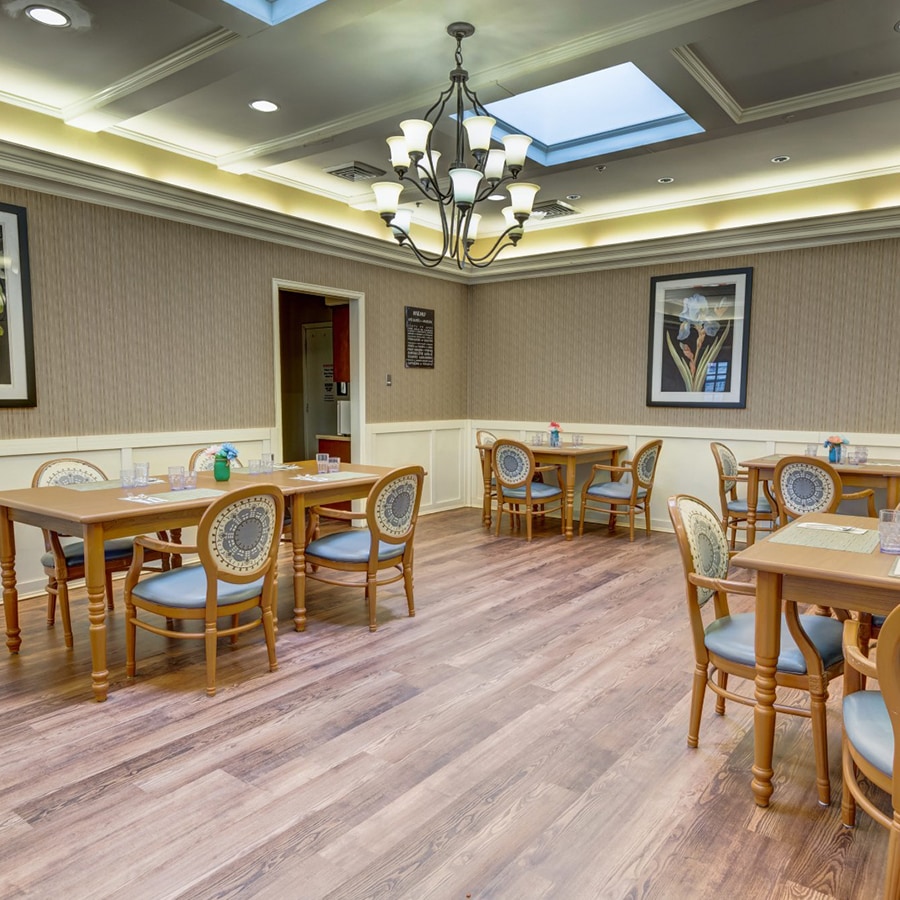
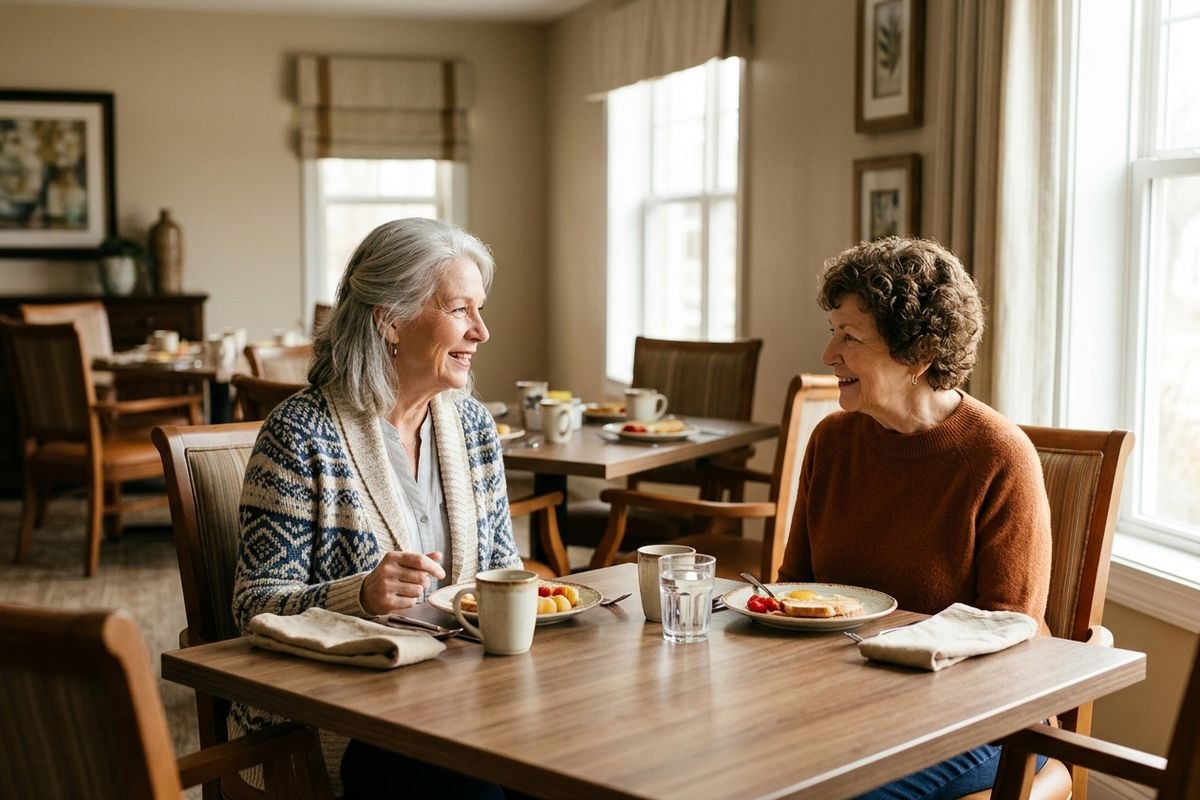
What goes into a good meal? Is it just the food itself? The truth is, half of an enjoyable meal is the conversation that flows across the dining table. At The Reserve at Oswego, we understand how a meal goes beyond what’s on the plate. And we strive to create a daily dining experience that is built around company as much as it’s built around the menu.
Eating with others every day turns food and conversation into steady connection. That’s what turns strangers slowly into friends.
Why Shared Meals Matter So Much
In a senior living community, the dining room is an important spot for socialization. It’s where you learn names, hear about the new puzzle in the lounge, and find out who grew up near you. You don’t have to plan any of it. You can just show up, and the connection happens naturally, three times a day.
Over a few weeks, the faces stop being unfamiliar. Someone saves you a chair. Someone asks where you were on Tuesday. That small attention is what builds a community.
How Mealtimes Add Rhythm to the Day
Meals tend to construct a reliable schedule that gives the day a shape as well. Breakfast anchors the morning, lunch breaks up the afternoon, and dinner gives the evening a warm landing spot.
That rhythm matters most during a transition. Moving is a big change. Having something familiar and pleasant waiting for you at the same time each day can take some of the weight off. For those who have been in the community for a long time, meals never cease to be something special. The way that the dining table brings everyone together simply cannot be replicated through other means.
Friendships That Start at the Table
Most friendships here begin with a simple breakfast chat. You talk about the garden, and she talks about her favorite flower. That kind of conversation leads to a walk in the courtyard together later in the afternoon. Furthermore, seeing the same familiar faces every day builds trust faster than any planned activity can. Repetition and time bring people closer together without any conscious effort.
The result is that you spend far fewer hours alone. Meals become the bridge between quiet time in your apartment and the rest of the community.
The Wellness Side of Shared Meals
Appetite often improves when there’s company at the table. A meal eaten alone tends to get hastily finished. But with a shared table, you’re encouraged to try every item alongside your friends.
The work that comes with cooking also lessens when you choose senior living. Consider what disappears from your week.
- Driving to the store and carrying bags inside
- Planning menus and keeping track of what’s in the fridge
- Standing at the stove when your energy is low
- Washing dishes and wiping counters after every meal
Our community features chef-prepared, protein-forward menus. The food arrives hot, and the table is set. What truly matters at that moment is for you to enjoy your food.
Support for Mood and Belonging
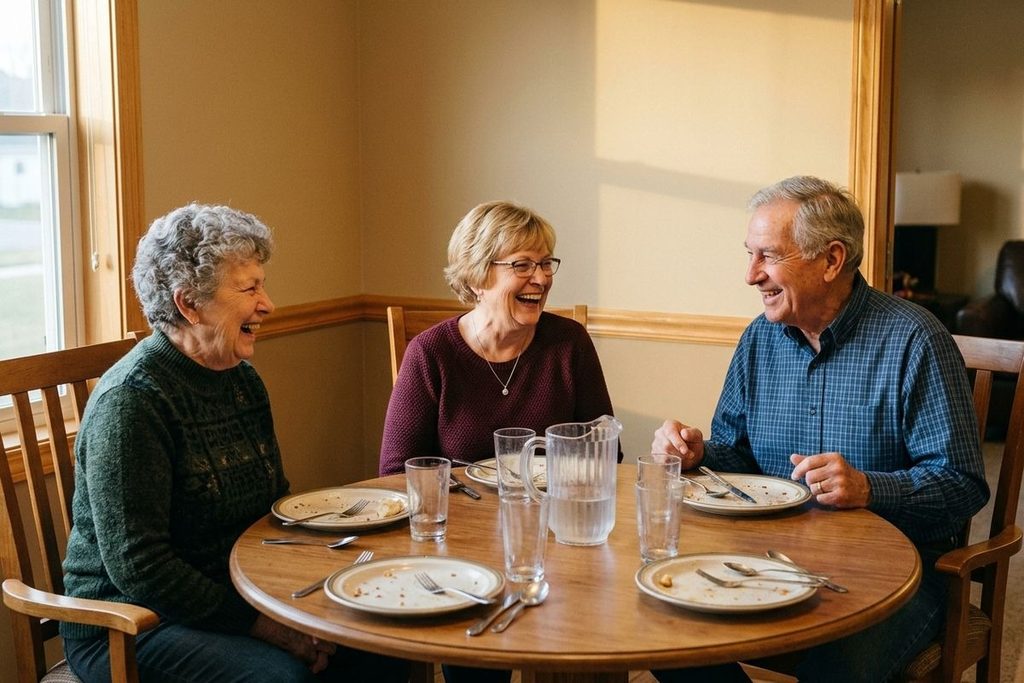
Shared laughter can brighten up a day. A good story over dessert stays with you even after the meal is over.
You also gain a built-in social circle of peers who understand your era, your references, and your pace. That sense of belonging grows naturally as you take a seat at the table.
What Meals Look Like Across Care Options
Senior Living and Respite Care Stays
In senior living, mealtimes can stay flexible. You choose your seat, then options from the menu. You can stay for as long as you’d like or as long as the conversation holds. It’s common for dining rooms to be lively, with a steady hum of talk.
Respite care guests join right in. Even a short-term stay comes with a spot at the table. And that’s often the fastest way to feel at home in a new place.
Memory Care Mealtimes
In memory care, familiar routines feel grounding. Residents in this lifestyle are encouraged to have meals at consistent times. The calm setting helps prevent the feeling of being rushed.
Our team offers gentle support where it helps. And the care is always provided with respect. It’s our goal to give everyone access to a shared table, because connection doesn’t depend on memory.
What to Notice During a Tour
A tour at mealtime can tell you a lot about the community. Here’s what’s worth paying attention to.
- Ask about the daily schedule and how often menus change
- Watch how team members greet residents by name
- Look for relaxed tables where people are actually talking
- Notice whether anyone seems rushed through their meal
- Ask how preferences and dietary needs are handled
If the room feels warm and unhurried, that’s a strong signal. You can also stay for a meal if the community allows.
Come See the Table for Yourself
The atmosphere in a community can only truly be understood when you see it for yourself. Contact us today to schedule your visit.
You can take a seat, taste the food, and hear the conversation around you. Our team at The Reserve at Oswego is always happy to answer your questions about memory care and respite care.