

Key Takeaways
- Respite care is a short-term stay in a senior living community, lasting a few days or several weeks
- Short-term residents receive the same daily support as long-term residents, including memory care options
- Most short stays are private pay, so ask about daily rates and any add-on services upfront
- A pre-packed bag and an updated care plan file can save hours when plans change fast
- Touring a community before you need one helps make an urgent call much easier
Short-Term Support When Life Shifts Suddenly
The phone rings at 6 AM. A sibling is in the hospital 3 states away, or you wake up with a fever you can’t shake. Suddenly the person you care for every day needs someone else nearby, and you have hours, not weeks, to figure it out.
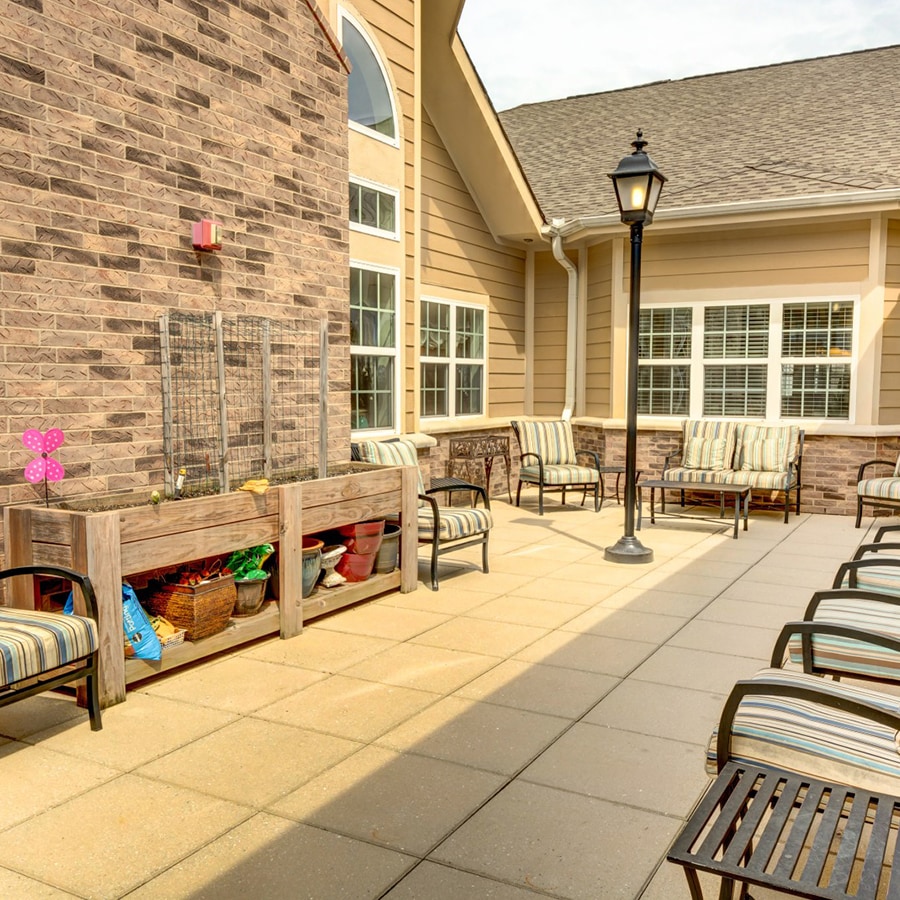
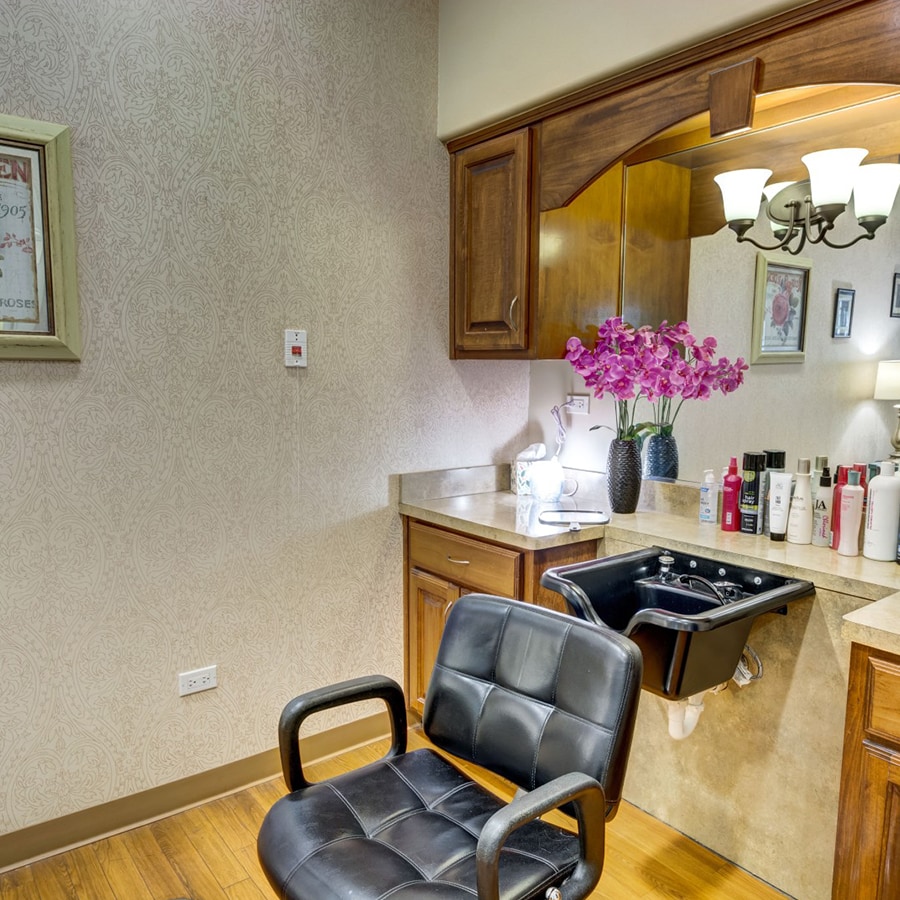
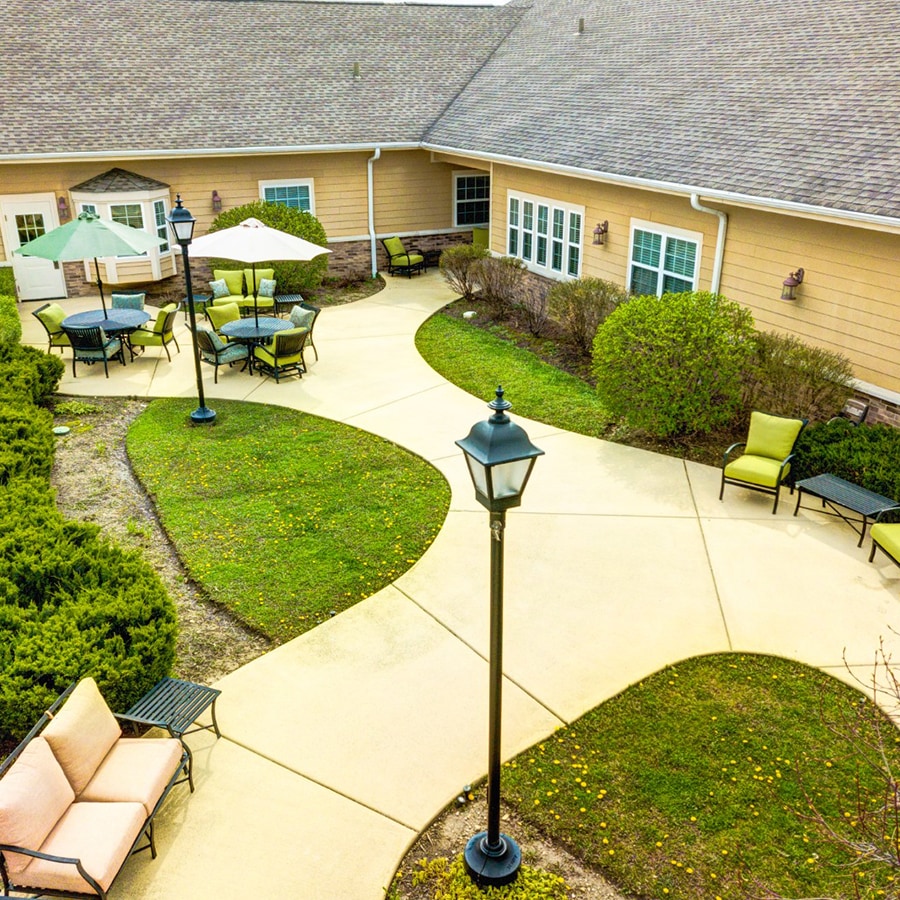
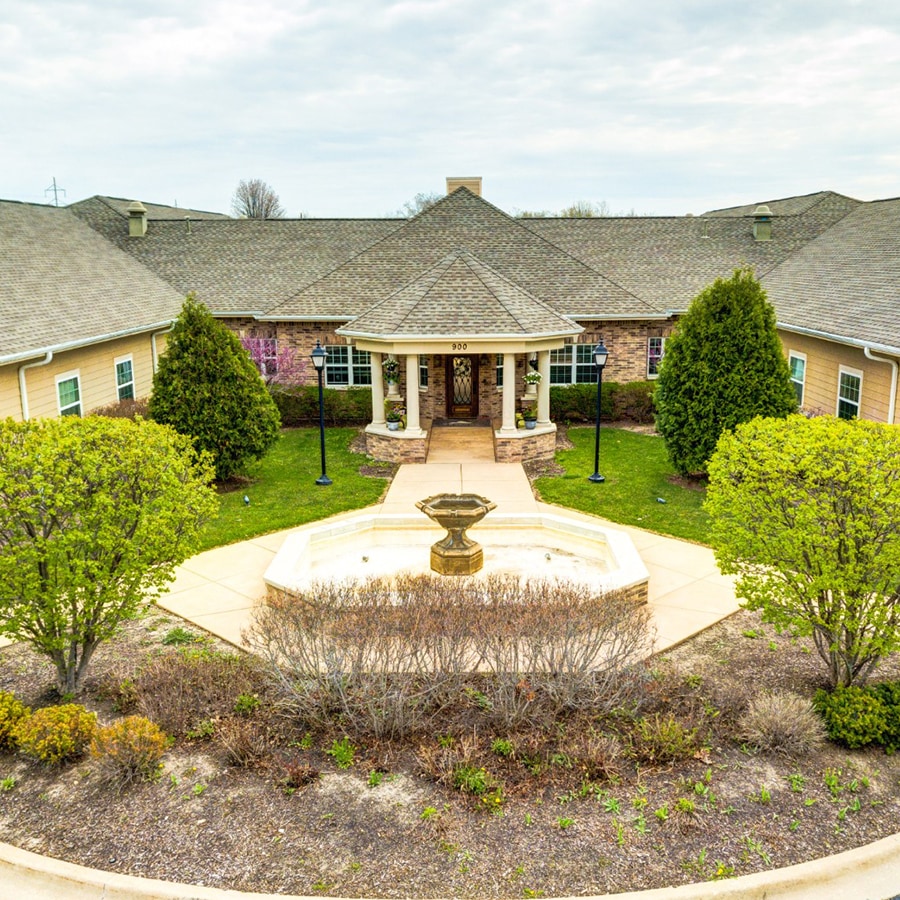
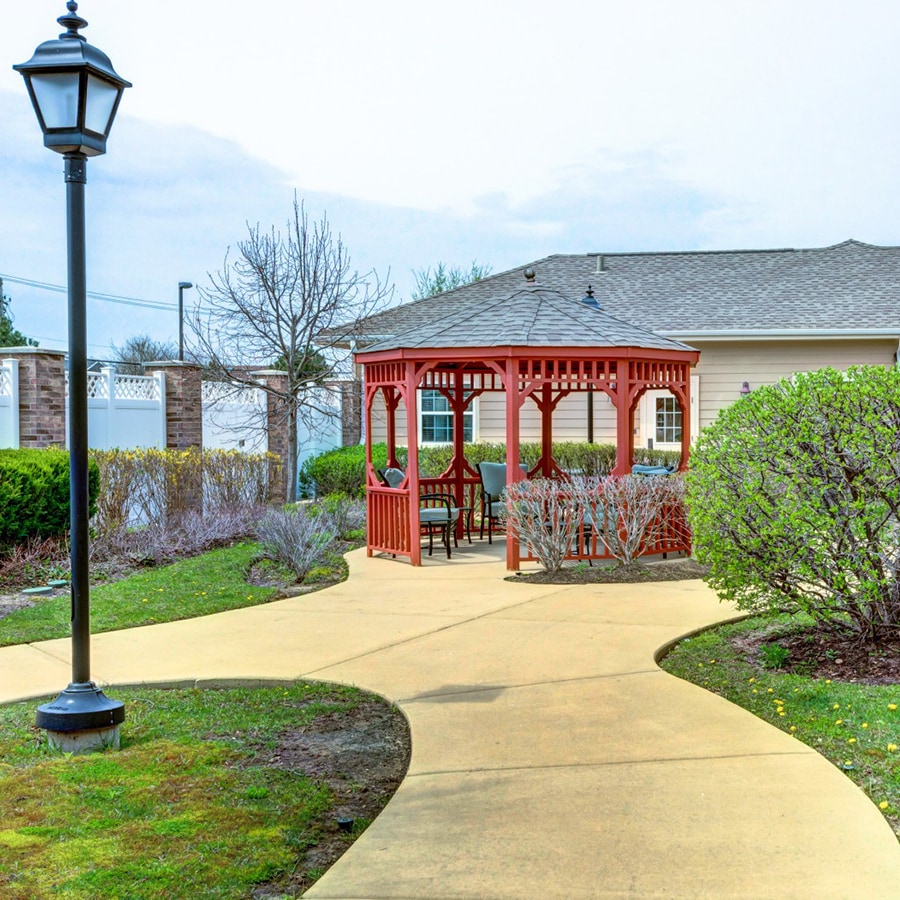
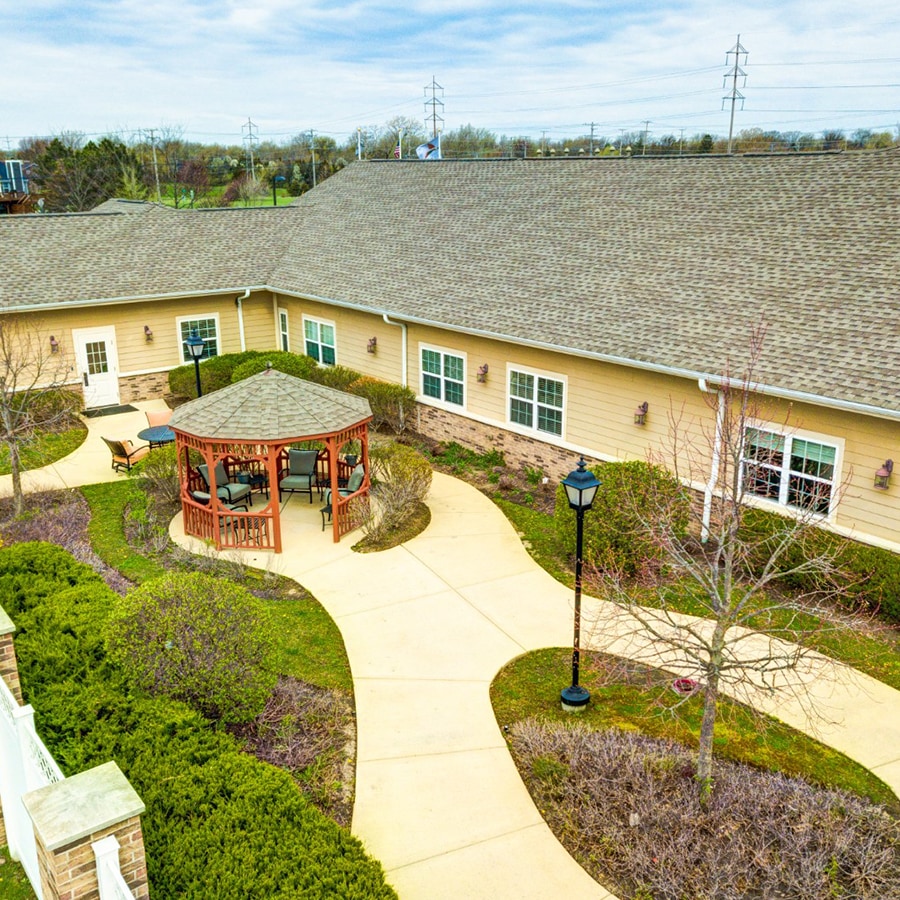
Respite care at The Reserve at Oswego can give your loved one a safe, welcoming place to stay for a few days or a few weeks while you handle an emergency, with delicious meals, daily help, and social connection already in place.
What Respite Care Means for Your Family
Respite care is simply a short-term stay in a senior living community. Instead of signing on for months or years, your family reserves a furnished apartment for a set stretch of time. Some stays last a long weekend. Others run several weeks while you recover or travel.
The support doesn’t change because the stay is short. Your loved one eats the same chef-prepared meals, joins the same morning stretch class, and has the same team checking in throughout the day as everyone else who lives there.
That matters when you’re stretched thin. You’re handing the daily routine to a trained team that does this work every day.
When Respite Care Helps During an Emergency
Emergencies rarely give you time to prepare. Families often turn to respite care in situations like these:
- Sudden travel for a hospital visit, a family matter, or a work obligation
- Your own illness, surgery, or recovery period
- A family matter that pulls your attention elsewhere for days
- Home repairs or a move that makes the house hard to live in
A steady routine is one of the quieter benefits. Meals arrive at regular times, help with bathing and dressing stays consistent, and someone is awake and available overnight. Your loved one isn’t left guessing what happens next.
Memory care needs can be part of a short stay, too. Communities built for residents living with Alzheimer’s disease or other forms of dementia offer secure spaces, calm daily rhythms, and staff trained to redirect gently when someone feels unsettled.
When a Relative Fills In
A neighbor or cousin stepping in sounds like the easy answer, and sometimes it works for an afternoon. Over several days, though, the gaps show. Most friends and relatives haven’t been trained to manage a medication schedule or help someone move safely from a chair to a walker.
Trained teams handle those tasks routinely. They track medications, assist with mobility, watch for changes in appetite or mood, and write down what they see so you get a clear picture when you return.

How to Arrange a Stay on Short Notice
Short notice doesn’t have to mean chaos. Focus first on these simple steps:
- Call the community and explain exactly what’s happening, including the dates you need and how soon you can arrive.
- Share health details, the current medication list, food preferences, and any allergies. Bring written copies if you have them.
- Pack clothing for the length of the stay, toiletries, a few framed photos or comfort items, and a favorite blanket or sweater.
Those small personal items do more work than you’d expect. A familiar quilt on the bed turns a new room into something that feels like it belongs to your loved one.
What to Expect from a Respite Stay
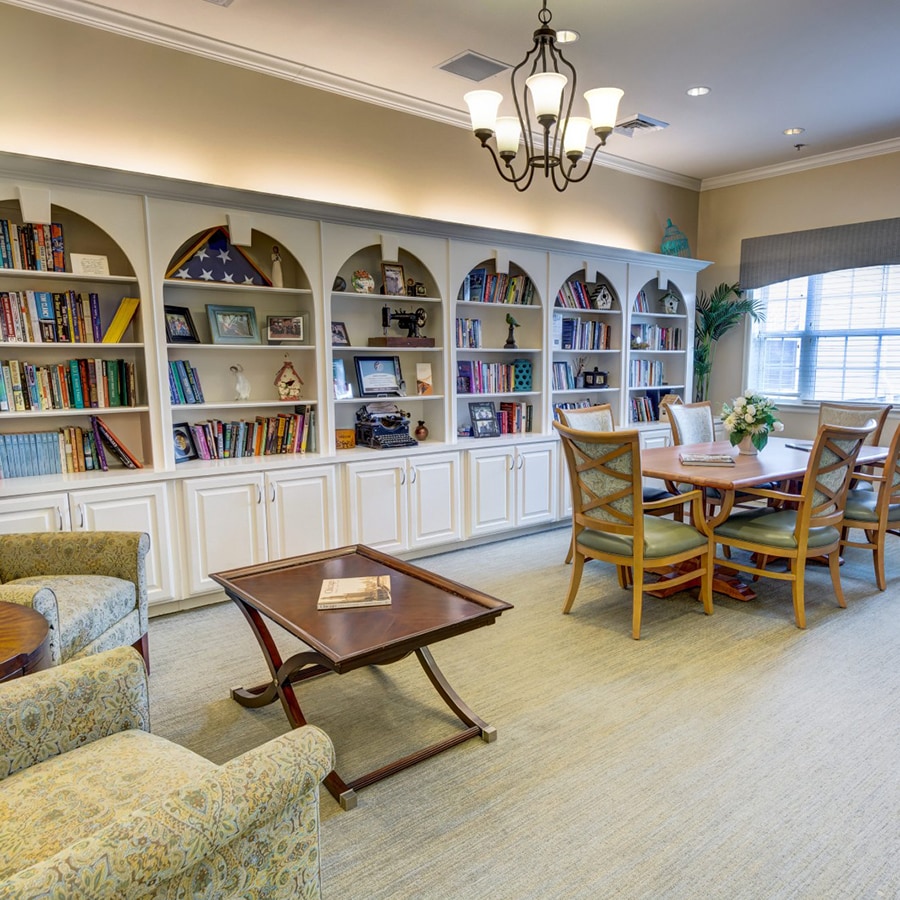
Days follow a comfortable shape. Help with dressing, grooming, and getting around is available around the clock. Meals arrive 3 times daily, served in a dining room where residents sit together and talk.
Afternoons bring live music, card games, light exercise, and conversation with people who learn your loved one’s name quickly. Many families notice their parent comes home more talkative than when they left.
Cost and Coverage Questions Families Ask
Most short stays are private pay, billed at a daily rate. Ask for that number upfront, along with what it includes, so there are no surprises later.
It’s also worth calling your local Area Agencies on Aging (AAAs). Some offer caregiver support programs that may help offset the cost of a short stay.
How to Ease the Transition
How you approach the conversation matters. Frame the stay honestly and warmly. Call it a short visit with meals, music, and new faces, and give a clear return date if you have one.
Walk in together, unpack the photos, meet a few staff members, and stay for lunch before you say goodbye. Then keep in touch with a phone or video call each evening so the connection stays strong while you’re away.
Plan Ahead for Peace of Mind
The families who handled emergencies most smoothly did one thing early: They toured a community before they needed it, kept an up-to-date care file with medications and doctor contacts, and left an overnight bag packed in the closet.
Our team at The Reserve at Oswego can walk you through respite care options and answer your questions before an urgent day arrives. Schedule a tour and get to know the community while there’s no pressure on the calendar.